
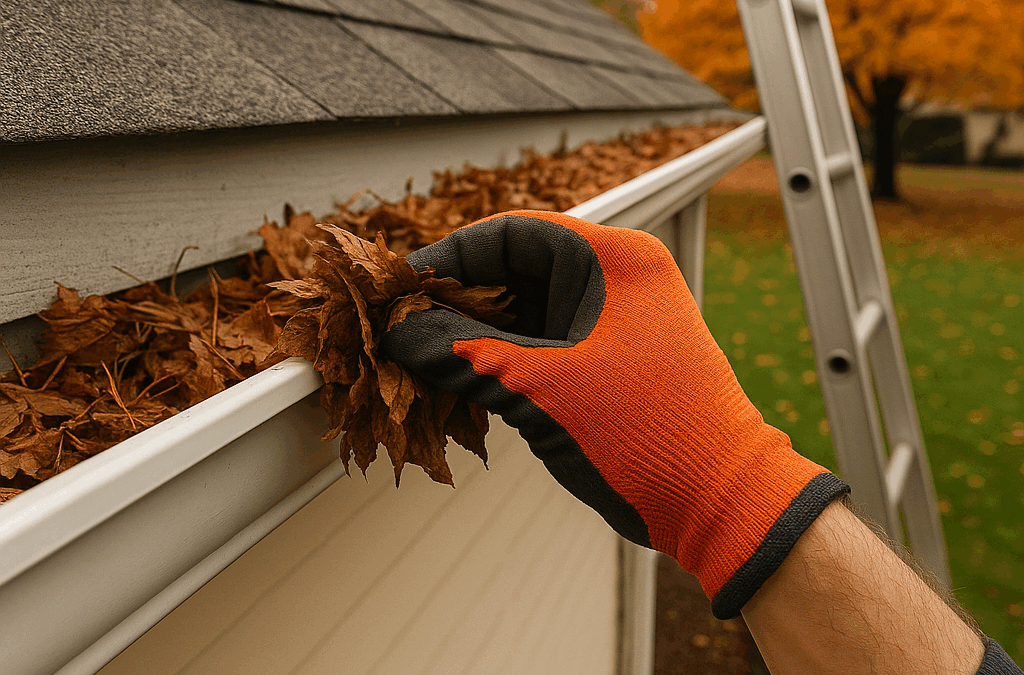
Across Nashville and Knoxville, the arrival of autumn brings one of the most visually spectacular seasonal transitions in the mid-South — and one of the most demanding periods on the home’s gutter system. Tennessee’s diverse and abundant hardwood canopy releases enormous volumes of organic debris during the fall months, loading gutter channels faster and more completely than at any other time of year. At the same time, the approach of winter brings the rainfall events, temperature drops, and periodic ice conditions that make gutter performance most consequential for the protection of fascia, foundations, and rooflines. Big Orange Gutters believes that Nashville and Knoxville homeowners who approach fall gutter preparation as a structured, multi-step seasonal process — rather than a single cleaning event — are far better positioned to protect their homes through winter and arrive at spring with a gutter system that is intact, functional, and ready for Tennessee’s active spring rainfall season.
The Case for Fall Gutter Preparation in Tennessee
Tennessee’s autumn creates a gutter maintenance environment that is more demanding than the spring or summer seasons in several specific ways. Nashville’s and Knoxville’s hardwood canopy — dominated by oaks, maples, hickories, tulip poplars, sycamores, and diverse ornamentals — produces the year’s largest single debris loading event during the October through December leaf fall period. The volume of leaves deposited in gutter channels during peak fall drop can fill channels completely within days of a thorough cleaning beneath dense canopy, creating the blockages that cause overflow and standing water well before winter’s most challenging conditions arrive.
The consequence of entering winter with debris-loaded gutters in Tennessee is meaningful. Nashville and Knoxville both experience winter conditions that include significant rainfall events — often the year’s most sustained — combined with periodic freeze events and ice storms that occur with sufficient frequency to warrant serious preparation. Gutters loaded with wet, compacted debris during a winter ice event accumulate ice weight that places severe mechanical stress on hangers and fascia. Water retained in blocked channels during winter rain events cannot drain, pooling against the roof edge and creating the moisture conditions that deteriorate roof sheathing and fascia in the cold months when repairs are most difficult. And foundation perimeter saturation from winter gutter overflow drives the soil moisture cycling that creates cumulative foundation stress in both cities’ geological contexts.
Fall preparation addresses all of these risks proactively, before winter conditions arrive and before the repair options available in warmer months are constrained by cold weather.
The Right Timing for Fall Cleaning in Nashville and Knoxville
One of the most common fall gutter maintenance mistakes Nashville and Knoxville homeowners make is cleaning too early in the season. A thorough gutter cleaning performed in late September or early October — before the dominant deciduous species surrounding the home have completed their leaf drop — will result in channels that refill with the bulk of the season’s debris before winter arrives, effectively requiring the cleaning to be repeated.
The appropriate timing for the primary fall cleaning is after the peak leaf drop from the dominant canopy species on the property. In Nashville, the primary hardwood species complete most of their leaf drop between late October and late November. In Knoxville, the Appalachian hardwood diversity — including species that drop slightly earlier at higher elevations — creates a somewhat extended fall drop calendar that may warrant a primary cleaning in the November timeframe on many properties. Homeowners with significant walnut trees should note that black walnuts drop their large compound leaves and heavy fruit husks earlier than most species — sometimes beginning in September — and may benefit from an early targeted cleaning to address walnut-specific accumulation before the main fall cleaning addresses the broader canopy drop.
For properties beneath very dense mixed canopy with species that drop on notably different schedules, a two-cleaning fall approach — an early October cleaning targeting early-dropping species and a primary late-fall cleaning after the bulk of the canopy has completed its drop — may be the most effective maintenance approach.
Step-by-Step Fall Preparation for Tennessee Homes
Thorough Full-System Cleaning
The fall cleaning should address the complete gutter system — every linear foot of every channel section, all downspout inlets, and the full vertical run of every downspout. Downspout inlets — where the channel feeds into the vertical downspout section — are the most common location for complete blockages, as leaf material, seed pods, and organic debris accumulate and compact at the inlet restriction. Clearing the inlet completely and flushing the full downspout run confirms that drainage is unobstructed from channel to grade-level discharge.
The decomposed organic sediment that settles along the channel floor beneath loose leaf material should be cleared along with the obvious surface debris — this fine, dark material retains moisture persistently and contributes the biological acids that accelerate deterioration of both the gutter material and the fascia behind it.
System Flushing and Drainage Verification
After cleaning, flushing the full system with a garden hose from the high end of each channel run toward the downspout provides immediate confirmation of drainage performance. Flushing reveals standing water conditions — locations where water pools rather than draining — that indicate slope loss from hanger failure or channel settling. It reveals slow drainage that suggests partial blockage or inadequate slope. And it confirms that each downspout is draining freely through its full vertical length to the grade-level discharge point.
Addressing any drainage deficiencies identified during flushing — before winter arrives — is the purpose of this inspection step. A channel that drains slowly in the fall will drain inadequately during winter, creating the overflow and standing water conditions that cause winter damage.
Joint, End Cap, and Seam Inspection and Repair
Fall inspection should specifically evaluate every joint, end cap, and seam in the gutter system for signs of leakage — visible gaps, rust staining on fascia or siding below joints, mineral deposits on exterior surfaces below seams, or biological staining patterns that indicate long-term water seepage.
Tennessee’s temperature cycling between winter lows and summer highs works gutter joint sealants progressively over each annual cycle, gradually opening gaps at joints that were sealed adequately at installation. Fall is the appropriate time to identify joints that have reached the point of active leakage and reseal them with appropriate gutter sealant applied to clean, dry surfaces — conditions most reliably achieved during fall’s typically drier, cooler days rather than during the wet conditions that winter brings.
Hanger and Fastener Evaluation
Walking the full length of every gutter section and evaluating hanger condition — looking for loose, bent, widely spaced, or missing hangers — identifies the mounting failures that allow channels to sag, lose slope, and pull away from the fascia. Hangers that are loose but still anchored in sound fascia wood can often be re-secured. Hangers that have pulled out of deteriorated fascia wood identify locations where fascia repair or replacement is needed before new hangers can be installed with confidence.
The appropriate hanger spacing for Tennessee’s climate — which includes the occasional ice loading event that places above-normal weight on the gutter system — is closer than the minimum spacing that many older gutter installations used. Sections of older systems with widely spaced hangers are more vulnerable to ice-loading deformation during Nashville’s and Knoxville’s winter ice events and may benefit from additional hanger installation during fall preparation.
Fascia and Soffit Assessment
Fall cleaning provides the natural opportunity for a visual assessment of fascia and soffit condition — components most easily evaluated when the gutter system has been cleaned and the roof edge is actively being inspected. Fascia showing early moisture damage signs — paint peeling, surface discoloration, soft spots — should be documented and assessed for repair planning before the damage advances further through winter’s moisture exposure. Soffit panels adjacent to damaged fascia areas warrant similar assessment for moisture penetration beyond the fascia face.
Downspout Discharge Confirmation
Each downspout’s discharge management — extensions, underground systems, or splash blocks — should be confirmed as properly positioned and directing water away from the foundation. Summer lawn maintenance commonly displaces flexible extensions; fall is the time to identify and correct any misdirected discharge before winter rain events begin depositing water at unintended locations near the foundation.
Pop-up emitters and underground system outlets should be cleared of leaf accumulation to ensure free drainage through the winter season.
Roof Edge and Flashing Assessment
While completing fall gutter preparation, a visual assessment of the roof edge condition — looking for lifted or missing shingles at the eave, damaged drip edge flashing, or visible gaps in the roofline that could admit water during winter rainfall and ice events — identifies roof-level issues that should be addressed before winter. The fall preparation visit is an efficient opportunity to identify roof edge conditions that affect winter moisture management in coordination with the gutter assessment.
Nashville-Specific Fall Preparation Considerations
Nashville’s fall gutter preparation is influenced by the metropolitan area’s diverse residential tree canopy and its Middle Tennessee winter weather patterns. Nashville winters bring meaningful rainfall — often the year’s most sustained — combined with ice events that occur with sufficient frequency to make ice-loading preparation a relevant consideration for every fall preparation cycle.
Nashville homeowners in neighborhoods with significant sycamore canopy — large-leafed trees that deposit substantial debris volumes and whose seed balls can block downspout inlets effectively — should pay specific attention to downspout inlet clearing during fall preparation. Sycamore seed balls that enter downspouts and compact against other debris create complete blockages that cause channel overflow during winter rain events.
Knoxville-Specific Fall Preparation Considerations
Knoxville’s Appalachian-influenced hardwood diversity and the orographic moisture enhancement from the surrounding terrain create a fall preparation context with some specific characteristics. The extended fall drop calendar of Appalachian hardwood species means that Knoxville homeowners may need to monitor their primary cleaning timing carefully — some properties benefit from cleaning later in November to ensure that the full species-diverse canopy has completed its drop before the primary cleaning.
Knoxville’s proximity to the Appalachian terrain also means that winter precipitation events — including significant ice storm events — can be more severe on elevated terrain east of the city than in the valley floor areas. Homeowners in elevated Knoxville-area locations should approach fall gutter preparation with particular attention to hanger and fastener integrity, knowing that ice loading events may be more severe at their elevation than regional forecasts might suggest for the broader metropolitan area.
Conclusion
Fall gutter preparation in Nashville and Knoxville is a multi-step, time-sensitive seasonal maintenance process that determines how well the home’s gutter system protects the structure through Tennessee’s winter conditions. Thorough cleaning timed after peak leaf fall, system flushing and drainage verification, joint and end cap repair, hanger and fastener evaluation, fascia and soffit assessment, and downspout discharge confirmation together ensure that gutters enter winter in the condition needed to manage winter rainfall, resist ice loading, and arrive at spring ready for Tennessee’s active spring storm season. Big Orange Gutters recognizes that Nashville and Knoxville homeowners who complete this fall preparation consistently and thoroughly are making one of the most practical and protective investments available in the winter health and long-term integrity of their homes.