
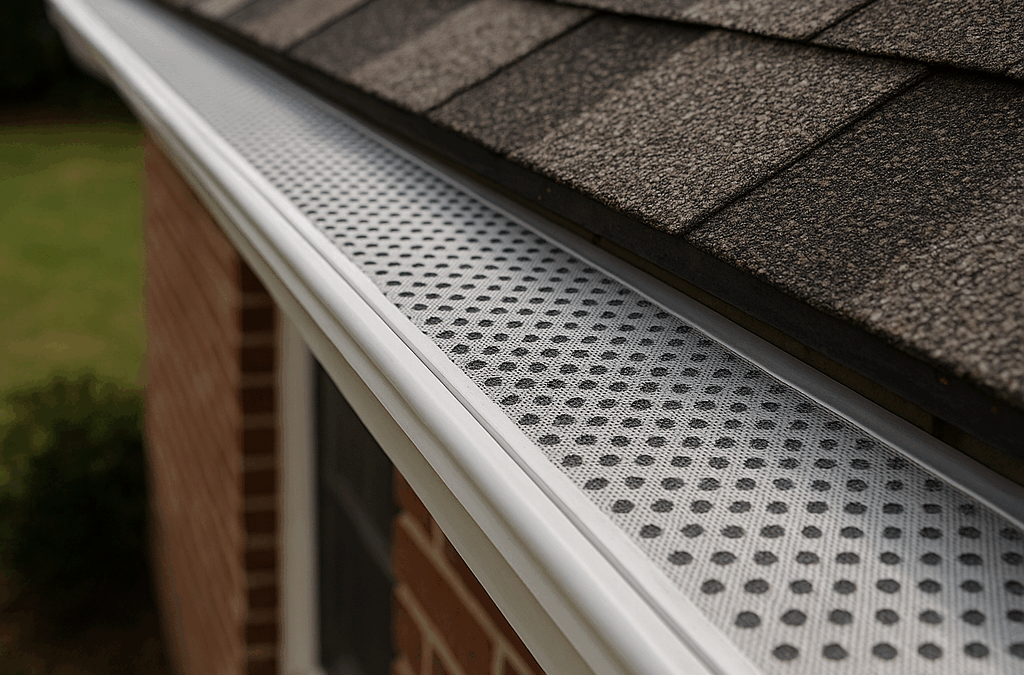
Gutter guards are a commonly discussed upgrade for homeowners aiming to reduce gutter cleaning and manage roof runoff more effectively. This extended, informational guide from Big Orange Gutters—serving Nashville and Knoxville, TN—explains the varieties of gutter guards, why they are relevant to local weather and tree cover, the benefits and limitations of each approach, and practical maintenance guidance for homeowners.
Introduction
Gutter guards encompass a variety of devices installed on or inside gutters to reduce the accumulation of leaves, seeds, and other debris. Big Orange Gutters, which serves both Nashville and Knoxville, provides this comprehensive overview to help homeowners in middle Tennessee understand how different gutter guard systems work and what to consider given local climate patterns.
Why Gutter Guards Matter in Nashville & Knoxville
Both Nashville and Knoxville experience seasonal storms, significant leaf fall in autumn, and neighborhoods with mature trees that contribute heavy debris loads. These conditions increase the frequency of clogs and overflow events that can damage siding, fascia, and foundations. Gutter guards can reduce routine maintenance and help manage water during intense rain events typical of the region.
Types of Gutter Guards
- Screen Guards: Economical and easy to install, screens block large debris but may allow smaller particles to pass through.
- Micro-Mesh Guards: These fine screens block small particles like shingle grit and seed pods common in Tennessee, providing superior filtration for many yards.
- Reverse Curve / Hood Guards: Designed to use surface tension to direct water into the gutter while shedding leaves, but they rely on proper sizing and roof compatibility.
- Foam Inserts: Fill the gutter channel and filter water through porous material; simple but can retain organic matter and are less ideal in humid climates.
- Brush Guards: Offer a quick solution but often require frequent cleaning in leafy neighborhoods.
- Slot or Solid Covers: Conceal the gutter with a narrow opening; when properly installed, they can significantly reduce debris entry but require precision.
Benefits of Gutter Guards
- Reduced Cleaning Frequency: Less debris in the channel means fewer cleanings.
- Improved Drainage: Guards can help maintain water flow during moderate rain events.
- Safer Home Maintenance: Less ladder time lowers homeowner risk.
- Prolonged Gutter Health: Fewer wet, decomposing materials in gutters can slow corrosion and decay.
Limitations and Risks
- Not Completely Maintenance-Free: Residual debris will still accumulate on top of guards and may need periodic removal.
- Varying Effectiveness: Performance depends on local conditions—micro-mesh typically handles fine debris in Tennessee better than coarse screens.
- Higher-Cost Options: Premium systems can be costly upfront; evaluate expected maintenance savings over time.
- Potential for Improper Installation Issues: Poorly installed guards can trap water against shingles or cause overflow—professional installation is advisable for complex roofs.
Local Considerations for Tennessee Homeowners
- Leaf and Seed Pod Types: Nashville and Knoxville often contend with oak, maple, and sweetgum debris as well as small seed pods; micro-mesh or fine-strainer guards are frequently better suited.
- Storm Intensity: Systems should be selected and installed to accommodate sudden heavy downpours typical in the region.
- Tree Proximity: Homes under dense canopies might still require regular surface cleaning of guards to prevent buildup.
Practical Maintenance and Best Practices
- Seasonal Inspection: Check guards in late spring and early fall, and after any major storm, to clear surface debris.
- Roof and Tree Care: Trim nearby branches to limit debris entering the system.
- Downspout Access: Maintain accessible downspout inlets and consider cleanouts to flush minor blockages.
- Test During Rain: Observe water behavior during a heavy rain to ensure guards direct flow properly without causing overflow.
- Clean Safely: Use proper ladder safety and protective gloves when removing debris from guards; many homeowners prefer professional maintenance for multi-story properties.
Choosing the Right System
- Assess Debris Type: Match guard type to the most common local debris—micro-mesh for fine particles; screens for larger leaf loads.
- Consider Budget vs. Long-Term Value: Higher initial cost products may lower annual maintenance and risk of water-related damage.
- Professional Evaluation: For roofs with multiple levels or complex eaves, an expert assessment can ensure compatibility and correct installation.
Conclusion
Gutter guards can be a valuable element of rainwater management in Nashville and Knoxville, reducing routine cleaning and lowering some risks associated with clogged gutters. Big Orange Gutters, serving both Nashville and Knoxville, TN, encourages homeowners to understand the variety of guard types, weigh their benefits and limitations, and plan for regular inspection and maintenance. Selecting the right system for local debris types and storm patterns helps optimize gutter performance and protect home exteriors over time.