
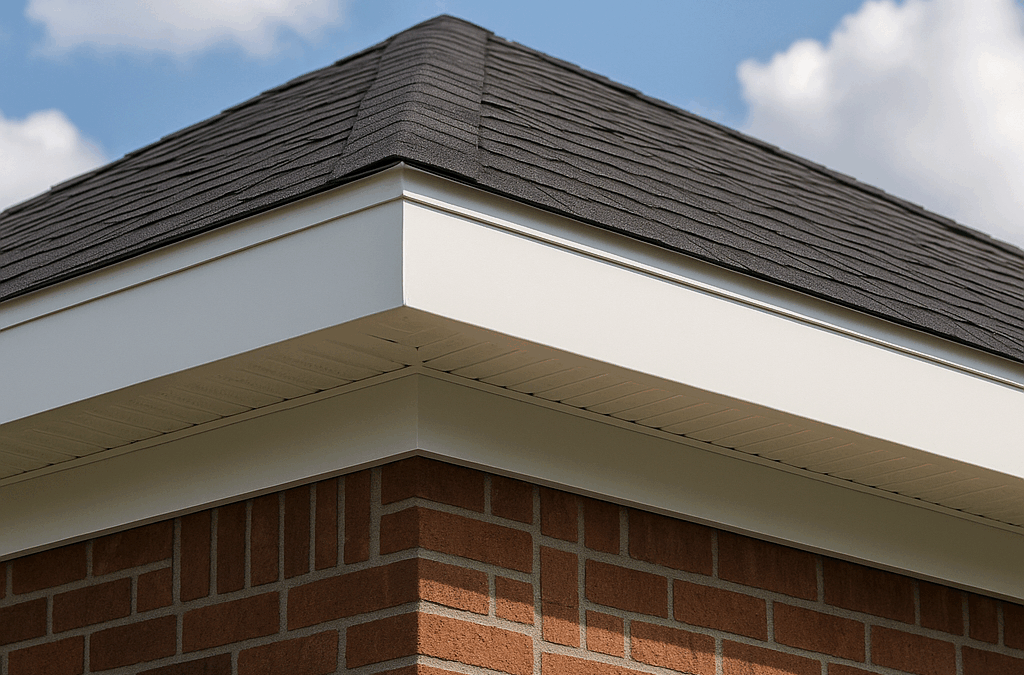
Wood soffits remain a defining trim element on many homes across Nashville and Knoxville, providing visual character while protecting the roof overhang and supporting attic ventilation. Given Middle Tennessee’s mix of humid summers, storm seasons, and occasional freezes, understanding how wood soffits age, the risks they face, and the right approach to repair or replacement is important for homeowners. This educational post from Big Orange Gutters, serving Nashville and Knoxville, outlines what wood soffits do, why regional climate matters, common failure modes, and practical steps to protect and, when necessary, restore soffit performance.
What are wood soffits and why they matter
Soffits are the underside surfaces of eaves and overhangs. Constructed from natural wood species or engineered wood boards, wood soffits protect the framing, hide mechanicals, and often incorporate vents that allow fresh air to enter the attic space. In Nashville and Knoxville, soffits play a key role in shielding the roof edge from wind-driven rain, helping preserve fascia and rafter ends.
How region-specific weather affects wood soffits
Middle Tennessee sees hot, humid summers that elevate moisture exposure, spring and summer storms that deliver significant water volumes, and intermittent freezes that create seasonal expansion and contraction. These cycles stress paint systems and wood fibers, increasing the likelihood of paint failure, moisture absorption, and biological decay. Neighborhoods with heavy tree canopy can experience accelerated debris loading and moisture retention on eaves—factors that hasten soffit deterioration.
Typical causes of soffit degradation
- Water intrusion from failing gutters, missing drip edges, or compromised flashing.
- Condensation due to insufficient attic ventilation or air leakage from conditioned interior spaces.
- Pest damage from termites, carpenter ants, or birds nesting in eaves.
- Mechanical damage from storms, falling limbs, or human activity.
- Natural wear: UV exposure, paint failure, and seasonal movement.
Identifying when repairs will suffice vs. full replacement
Minor rot or isolated board failure is frequently addressed through local repairs—cutting out affected sections, treating adjacent wood, and installing matching replacement boards with proper paint or stain. Full replacement becomes necessary when decay is widespread, structural members are weakened, or recurring moisture problems cannot be mitigated with targeted repairs. Choosing to replace with wood preserves historic character; choosing an alternative (e.g., aluminum, fiber cement) can reduce long-term maintenance.
Homeowner-focused, practical steps (non-promotional)
- Start with a thorough inspection: Look for soft wood, blistering paint, insect signs, and gaps at joints. Use a screwdriver to probe suspect areas gently.
- Trace the moisture source: Work backward from visible damage to check gutters, downspouts, drip edges, and roof-to-wall intersections where water commonly escapes.
- Improve attic ventilation: Ensure eave intake vents and roof exhaust are balanced to prevent condensation on soffit undersides.
- Make localized repairs: Remove damaged boards, treat surrounding wood with a preservative when appropriate, and reinstall with corrosion-resistant fasteners and backer flashing where needed.
- Protect finishes: Use exterior-grade primers and paints formulated for humid climates; maintain finish coats to prevent moisture ingress.
- Consider alternatives strategically: Where repeated moisture exposure continues despite corrective measures, consider non-wood soffit materials that mimic wood aesthetics but require less maintenance.
- Address pests promptly: If termite or carpenter ant evidence appears, arrange professional evaluation; cosmetic fixes without pest control will likely fail.
- Document and schedule upkeep: Photograph problem areas, note repair dates, and establish an annual inspection cadence—especially after storms.
Material and installation details that matter
- Proper flashing and drip edge integration are essential to keep water from running behind soffits.
- Leave small drainage and ventilation gaps per manufacturer guidance; fully sealing soffits can trap moisture.
- Use stainless or coated fasteners and paint-compatible sealants to reduce corrosion and joint failure.
Conclusion
For homeowners in Nashville and Knoxville, wood soffits combine historic appeal with functional necessity—yet the region’s humidity and storms make regular attention essential. Big Orange Gutters, serving both Nashville and Knoxville, TN, advises a methodical approach: inspect regularly, identify and eliminate moisture sources, make repairs where appropriate, and consider material alternatives when long-term moisture exposure persists. Thoughtful maintenance and timely corrective actions will prolong soffit life and protect the broader roof assembly without suggesting any specific service guarantees.