Rainwater management is crucial in Tennessee, where Nashville and Knoxville regularly experience heavy downpours, thunderstorms, and seasonal weather swings. While gutters catch runoff from the roof, it is the downspouts that carry water safely away from the home’s foundation and landscaping. In this comprehensive, educational blog post, Big Orange Gutters of Nashville and Knoxville, TN, explains the importance of gutter downspouts, their function, and practical tips for homeowners in these regions.
What Are Gutter Downspouts?
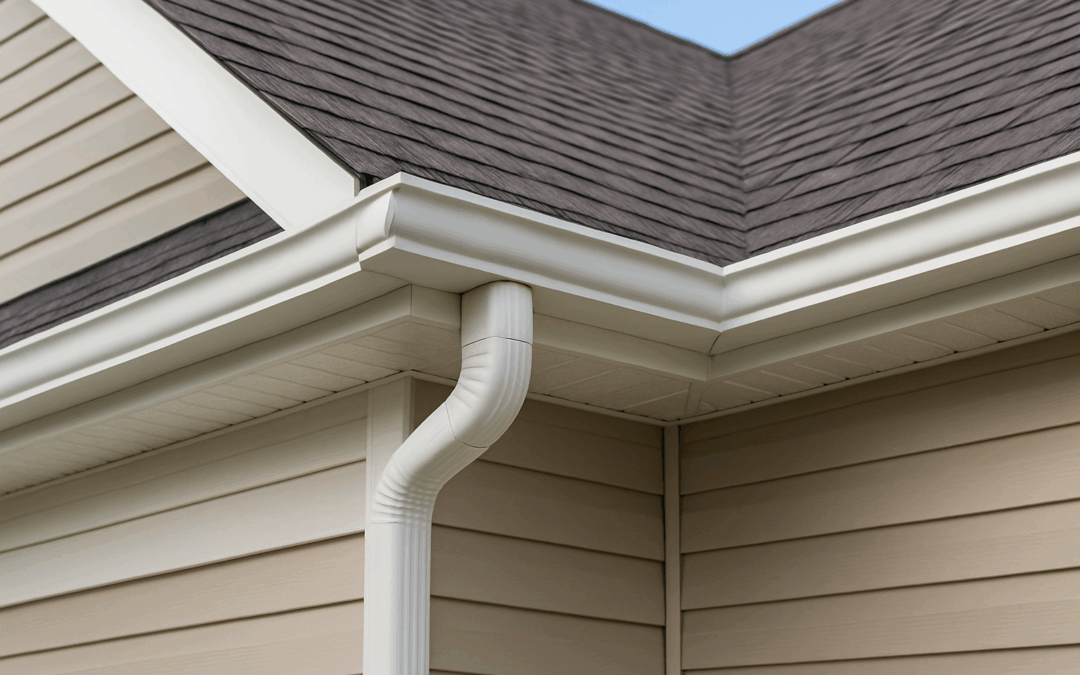
Downspouts are vertical pipes connected to gutters, designed to transport collected water from the roofline to the ground. Made from materials like aluminum, steel, vinyl, or copper, they come in various sizes and shapes to suit different homes and water volumes. Downspouts may terminate above ground with splash blocks or extensions, or feed into underground drainage systems.
Why Downspouts Matter in Nashville & Knoxville
Both cities face intense rain events, flash flooding, and frequent storms. Without efficient downspouts, gutters can overflow, causing water to pool near foundations, seep into basements, and erode landscaping. Local soils—often clay-rich or compacted—drain slowly, making proper water redirection essential to prevent damage and protect property value.
Key Benefits of Proper Downspout Installation
1. Foundation Protection
Directing water well away from the home reduces the risk of foundation shifting, cracking, and basement leaks.
2. Improved Landscape Health
Downspouts help preserve lawns, garden beds, and hardscaping by preventing erosion and waterlogging.
3. Siding & Exterior Safeguards
Proper downspout placement keeps water from splashing onto walls, windows, and doors, minimizing rot, mildew, and staining.
4. Reduced Pest and Mold Risks
Standing water is a magnet for termites, mosquitoes, and mold. Downspouts help eliminate these hazards.
5. Enhanced Gutter System Performance
Well-placed downspouts prevent gutters from overflowing, reducing maintenance and prolonging system life.
Common Problems and Risks
1. Clogging
Leaves, twigs, and debris can block downspouts, especially after storms or during fall. This leads to gutter overflow and possible water damage.
2. Inadequate Placement
Downspouts ending too close to the house or in poorly drained areas can worsen foundation problems and create puddles.
3. Damage & Disconnection
High winds, heavy rain, or physical impact can bend or detach downspouts, compromising water management.
4. Insufficient Quantity
Large roofs need multiple downspouts to handle heavy rainfall. Too few downspouts can overload the system.
5. Seasonal Freezing
Rare but possible, frozen water in downspouts can block flow or cause pipe damage.
Practical Knowledge for Tennessee Homeowners
Inspection and Cleaning
- Check downspouts at least twice a year and after major rain events.
- Use a garden hose or plumber’s snake to clear blockages.
- Look for leaks, rust, loose connections, or dents.
Effective Placement
- Downspouts should discharge water at least several feet from the foundation using extensions or splash blocks.
- Underground drainage may be needed for persistent pooling or clay-heavy soils.
Sizing and Quantity
- Place downspouts every 20–30 feet of gutter.
- Match downspout diameter to expected water flow for your roof size.
Maintenance Tips
- Ensure downspouts are securely fastened and angled to maximize flow.
- Clear before winter to prevent freezing.
- Inspect after storms for physical damage or misalignment.
Conclusion
Downspouts are an essential element of effective rainwater management for homes in Nashville and Knoxville, TN. Big Orange Gutters encourages homeowners in both cities to understand the function, importance, and maintenance needs of downspouts to protect their property from water-related risks. By staying informed and proactive, Tennessee residents can safeguard their homes against local weather challenges.