For homeowners in Nashville and Knoxville, TN, maintaining the exterior of a home means preparing for humid summers, sudden storms, and seasonal shifts. One component that plays a vital role in the protection and appearance of the roofline is the soffit—the horizontal surface beneath the eaves. Vinyl soffit has become a preferred choice due to its resilience, ventilation benefits, and ease of maintenance. This educational blog post from Big Orange Gutters explains what vinyl soffit is, why it matters in Tennessee’s climate, and how it benefits local homes.
Understanding Vinyl Soffit
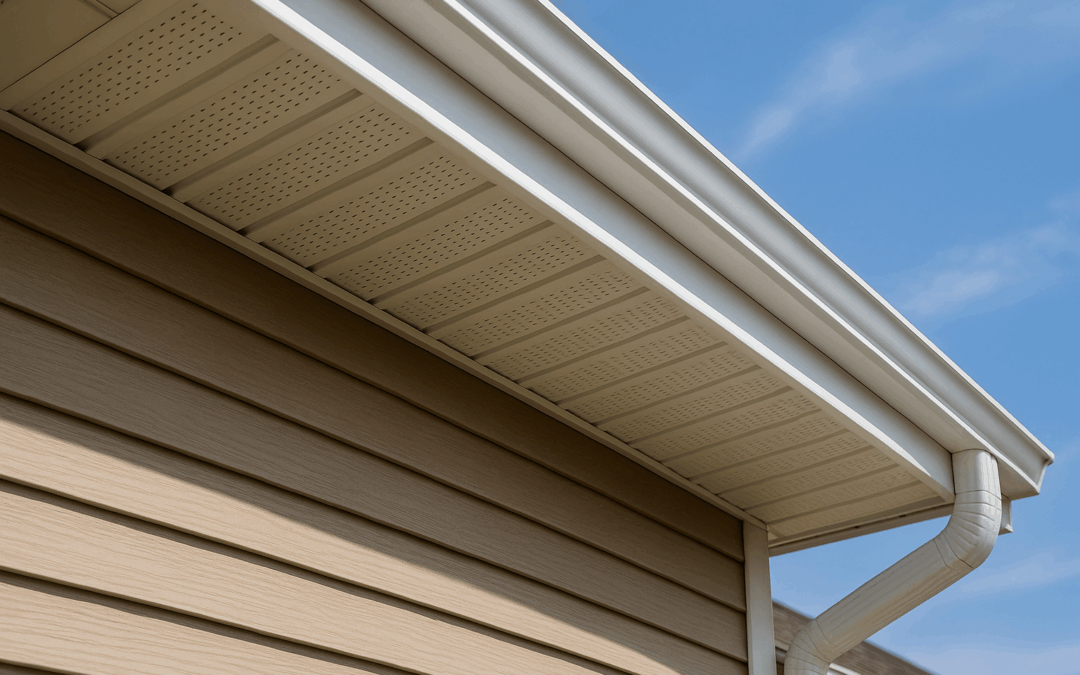
Vinyl soffit consists of panels made from durable polyvinyl chloride (PVC), installed under the roof’s overhang. These panels cover exposed rafters, protect the structure from water and pests, and help ventilate the attic. Vinyl soffit comes in vented and non-vented styles, various colors, and textures—providing flexibility for different architectural designs.
The Role of Soffit in Tennessee Homes
Tennessee’s climate presents a unique set of challenges: muggy summers, frequent thunderstorms, and cool winters. Traditional wood soffit can struggle under these conditions, prone to rot, warping, and pest infestation. Vinyl soffit is designed to resist moisture and temperature extremes, making it an ideal fit for homes in Nashville, Knoxville, and surrounding areas.
Proper attic ventilation is also critical in Tennessee, where heat build-up can strain air conditioning systems and damage roofing materials. Vented vinyl soffit helps maintain airflow, keeping homes cooler and reducing the risk of mold and mildew.
Key Benefits of Vinyl Soffit
1. Superior Moisture Resistance
Vinyl does not absorb water, making it impervious to rot, mold, and mildew. This is particularly valuable in Tennessee, where humidity and heavy rains can damage wood soffit over time. Vinyl panels maintain their integrity and appearance, even in wet conditions.
2. Minimal Maintenance
Vinyl soffit is virtually maintenance-free. Unlike wood, which requires painting, sealing, and frequent inspections, vinyl only needs occasional cleaning with mild soap and water. Its color is embedded during manufacturing, so it resists peeling and fading.
3. Pest Deterrence
A well-installed vinyl soffit acts as a barrier against birds, squirrels, and insects. This protection is crucial in Tennessee neighborhoods surrounded by trees and green spaces, where wildlife commonly seeks shelter in roof cavities.
4. Enhanced Attic Ventilation
Vented vinyl soffit promotes airflow into the attic, helping regulate temperature and moisture. Proper ventilation reduces energy costs, prolongs roof life, and helps prevent mold growth—a must in Tennessee’s humid climate.
5. Aesthetic Versatility
With several colors, finishes, and profiles available, vinyl soffit can be tailored to match the style of any home. Whether you prefer a smooth, beaded, or wood-grain look, vinyl offers options for enhancing curb appeal.
Risks and Considerations
1. Correct Installation
Quality installation is essential. Panels must be securely fastened and aligned to prevent sagging, gaps, and reduced ventilation. Poor installation can lead to pest entry or water damage.
2. Susceptibility to Impact
While vinyl is sturdy, it can crack or break if struck by sharp objects. After storms or yard work, inspect soffit panels for signs of damage.
3. Ventilation Balance
Choosing the right combination of vented and solid panels is important. Too little ventilation can trap heat and moisture, while too much can disrupt the home’s energy efficiency. Consult with a professional to determine the ideal setup for your property.
4. Compatibility with Older Homes
Some historic or uniquely designed homes may have structural nuances requiring custom soffit solutions. Vinyl panels are flexible but may require additional trim or accessories for a perfect fit.
Practical Tips for Homeowners
- Routine Inspection: Check soffit panels regularly for sagging, gaps, or animal activity.
- Gentle Cleaning: Wash panels with a garden hose and mild detergent. Avoid abrasive brushes or harsh chemicals.
- Monitor Attic Conditions: After installation, ensure proper airflow and watch for signs of excess heat or moisture.
- Choose Coordinated Colors: Select soffit colors that complement your siding, trim, and gutters for a cohesive look.
- Prompt Repairs: Fix any cracks or holes quickly to maintain the soffit’s protective barrier.
Conclusion
Vinyl soffit offers Tennessee homeowners a long-lasting, low-maintenance solution for protecting roof edges and improving attic ventilation. Its resistance to moisture, pests, and fading makes it particularly well-suited to the climate in Nashville and Knoxville. By understanding the benefits, installation requirements, and maintenance tips, homeowners can make informed decisions about their exterior upgrades. This educational guide from Big Orange Gutters provides valuable insights into the advantages of vinyl soffit for homes across Tennessee.