
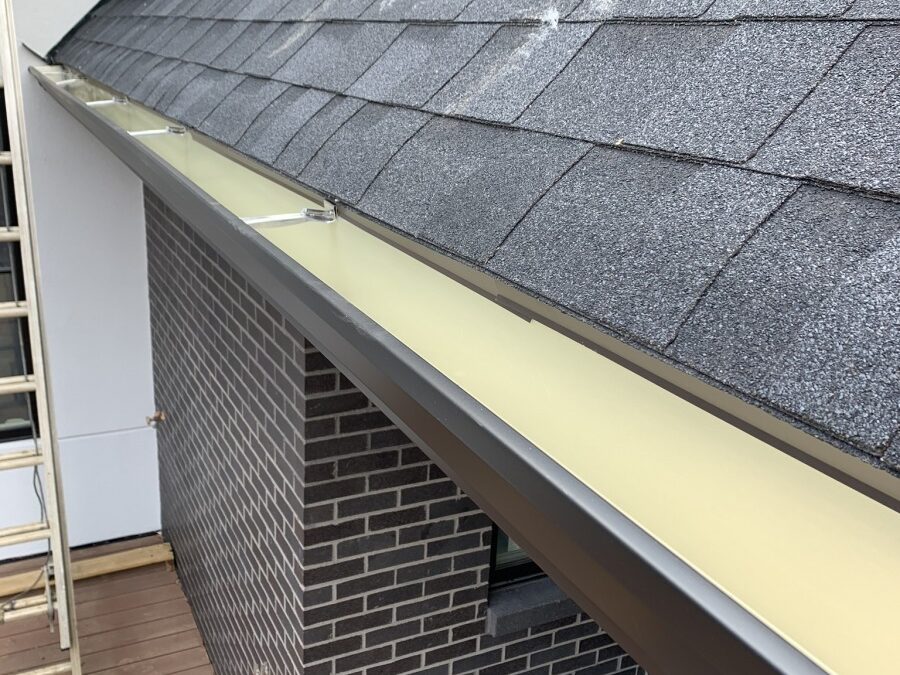
Across Middle and East Tennessee, from Davidson County to Knox County, seasonal storms and varied terrain put roof drainage to the test. This informational guide from Big Orange Gutters, serving Nashville and Knoxville, TN, explains the benefits of seamless gutters, why they fit the region’s weather patterns, and practical considerations for homeowners evaluating options.
What Makes Gutters “Seamless”?
Seamless gutters are formed from a continuous roll of metal—commonly aluminum—custom cut on-site to the precise length of each eave. Traditional sectional gutters rely on multiple straight-run joints every several feet, sealed with caulk or gaskets. Seamless systems minimize those joints, leaving seams primarily at corners and downspouts, which can reduce long-term leak risk.
Why Seamless Gutters Suit Nashville and Knoxville
- Variable storm intensity: Spring and summer often bring strong thunderstorms, with short, heavy bursts of rain. A system with fewer seam points is less prone to leak-related overflow during those peak moments.
- Leaf and seed drop: Neighborhoods with maples, oaks, and ornamental trees shed debris through much of the year. Fewer seams can mean fewer snag points where material accumulates.
- Terrain and foundations: From the hills of East Tennessee to the neighborhoods of Middle Tennessee, sloped lots and mixed soil profiles benefit from consistent water routing away from structures to help limit erosion and pooling.
Key Benefits of Seamless Gutters
- Reduced leak likelihood: Eliminating most of the straight-run connections removes many of the typical failure points where sealant can age or hardware can shift, promoting more consistent performance.
- Tailored capacity and fit: On-site fabrication ensures each run matches the home’s exact measurements. Combined with appropriate slope and downspout placement, this supports effective drainage during cloudbursts.
- Streamlined appearance: Continuous runs create clean sightlines along the roof edge. With numerous baked-on color finishes available, many homeowners find it easier to complement siding and trim.
- Maintenance efficiency: While cleaning remains necessary, seamless profiles reduce seam-related buildup zones. That can simplify upkeep across the year’s storm and leaf cycles.
- Material flexibility: Aluminum balances corrosion resistance and weight, with heavier gauges available for sturdiness. Steel and copper are alternatives some residents choose for specific aesthetic or durability preferences.
- Compatibility with guards: Many screen and surface-tension guards integrate well with seamless gutters, helping manage debris in tree-dense neighborhoods.
Practical Guidance for Tennessee Homes
- Choose the right size: K-style 5-inch gutters are common, but 6-inch systems can better handle steep roofs or larger catchment areas, which is helpful during sudden downpours.
- Downspout planning: Long runs or valleys that collect water from large roof sections often need additional downspouts. Adequate discharge reduces overflow at entry points and corners.
- Hangers and support: Quality hidden hangers, spaced appropriately to local conditions, help keep gutters aligned under the weight of water and occasional debris loads.
- Gutter guards and debris types: In areas with small seeds and needles, consider fine-mesh screens; for broad leaves, a surface-tension guard may work well. Whatever the choice, periodic inspection remains important.
- Directing water away: Use extensions or splash blocks to route water off patios and slopes and away from foundations or crawl spaces. Ensure landscaping and grading support the flow path.
- Seasonal inspection routine:
- Early spring: Clear winter debris and confirm downspout flow before storm season.
- Mid- to late-summer: Check after strong thunderstorms for any displacement or dents.
- Late fall: Remove leaves and verify that guards (if installed) remain seated correctly.
Considerations and Tradeoffs
- Initial investment: Seamless systems are fabricated with specialized equipment and typically involve on-site customization. Homeowners often weigh the reduced seam maintenance against upfront cost.
- Ongoing maintenance: No gutter is maintenance-free. Leaves, seeds, and roof granules can accumulate; regular cleaning and inspection help preserve performance.
- Holistic drainage: Gutters work best alongside correct grading, well-placed downspout extensions, and clear drainage outlets. Consider the full water path from roof to ground.
- Finish care and thermal movement: Metal expands and contracts as temperatures change. Correct fasteners, proper hanger spacing, and gentle cleaning practices support longevity of both structure and finish.
Local Notes: Nashville vs. Knoxville
- Nashville area:
- Sudden summer storms can overwhelm undersized systems. Evaluate whether larger gutters and extra downspouts would improve conveyance.
- Mature street trees deposit heavy leaf loads—plan your guard and cleaning approach around the species common on your block.
- Knoxville area:
- Hillier terrain can channel water toward certain foundation walls or garden beds. Use extensions and splash blocks to steer water away from slopes where erosion may occur.
- Transitional seasons bring debris from multiple species—pace inspections through spring pollen and fall leaf drop.
Conclusion
Seamless gutters offer a clean, custom-fitted way to route roof water with fewer seam-related weak points—valuable in regions where fast-moving storms and abundant trees test a home’s drainage. By considering size, downspout placement, materials, and maintenance habits, homeowners in both Nashville and Knoxville can evaluate whether seamless gutters align with their properties. This article from Big Orange Gutters, serving Nashville and Knoxville, TN, is intended to provide neutral, educational information to support informed decisions about water management at the roofline.