Homeowners throughout Middle and East Tennessee face unique challenges when it comes to maintaining their property’s exterior elements. From Nashville’s urban environment to Knoxville’s hillside neighborhoods, the region’s variable climate and abundant tree coverage create specific concerns for wood soffit systems. This detailed educational guide from Big Orange Gutters, serving Nashville and Knoxville, TN, explores the important role of wood soffit, common maintenance challenges, and practical solutions for Tennessee homeowners.
Understanding Wood Soffit Systems
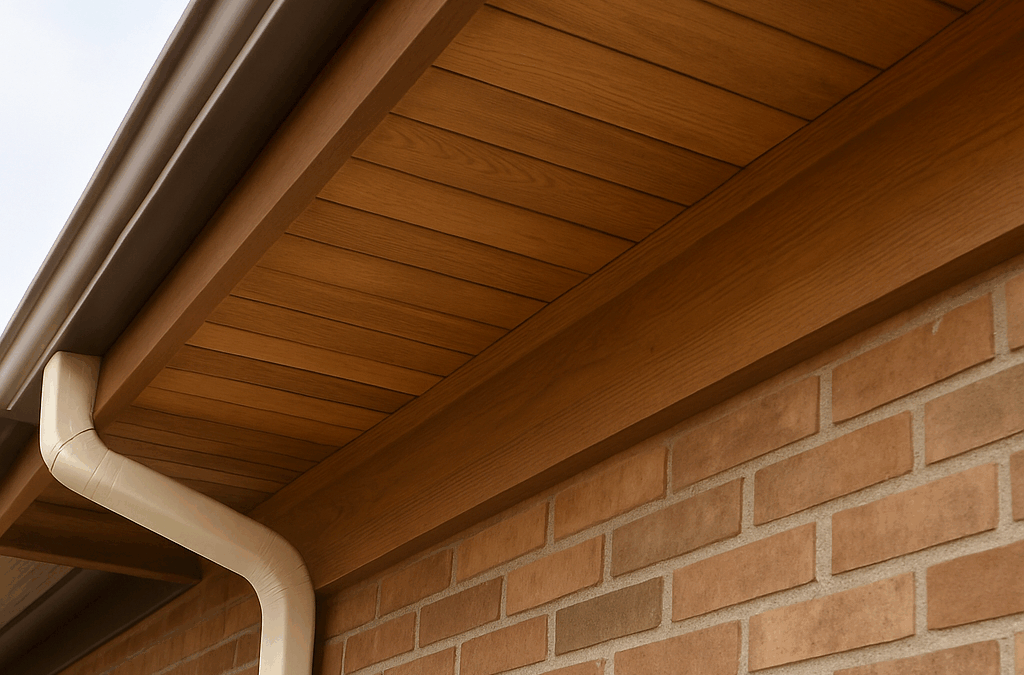
Wood soffit consists of horizontal panels or planks installed beneath the roof’s overhang, creating the finished surface between the exterior wall and the roof edge. This component serves multiple essential functions in home construction: providing necessary attic ventilation, protecting exposed structural elements from weather damage, preventing pest access to roof cavities, and contributing to the home’s overall curb appeal and architectural integrity.
Traditional wood soffit materials include various species and engineered products, from natural cedar and pine to plywood and oriented strand board (OSB). The choice of material often depends on the home’s age, architectural style, and original construction specifications.
Climate Challenges in Nashville and Knoxville
Tennessee’s climate presents distinct challenges for wood building materials. The region experiences hot, humid summers with temperatures often exceeding 90°F and humidity levels that can reach 80% or higher. These conditions create an environment where moisture can easily penetrate wood surfaces and promote decay organisms.
Spring and fall bring frequent storms with heavy rainfall, while winter temperature fluctuations cause repeated freeze-thaw cycles. Nashville’s urban heat island effect can intensify these temperature swings, while Knoxville’s elevation and terrain create microclimates that can accelerate weathering in exposed areas.
The abundant tree coverage throughout both cities, while aesthetically pleasing, contributes to soffit maintenance challenges. Falling leaves, branches, and organic debris can accumulate against wood surfaces, trapping moisture and creating ideal conditions for mold, mildew, and insect activity.
Common Wood Soffit Problems in Tennessee
Moisture-Related Deterioration
High humidity and frequent rainfall make moisture intrusion the primary threat to wood soffit in Tennessee. When water penetrates wood fibers, it creates conditions for fungal decay, commonly known as wood rot. Early signs include darkening or staining of the wood, soft spots that yield to pressure, and a musty odor near the eaves.
Advanced moisture damage manifests as visibly deteriorated wood that may crumble or flake away, extensive discoloration, and structural weakness that can compromise the soffit’s ability to support its own weight or resist wind loads.
Insect and Pest Damage
Tennessee’s warm climate supports various wood-destroying insects, including carpenter bees, termites, and carpenter ants. Carpenter bees create distinctive round holes in wood surfaces, while termites work more secretly, often causing extensive damage before detection. Small piles of sawdust or wood shavings beneath the eaves typically indicate active insect boring.
Additionally, squirrels, birds, and other wildlife may damage wood soffit while seeking access to attic spaces for nesting. These animals can create sizeable holes or tear away sections of deteriorated wood.
Paint System Failure
Tennessee’s UV exposure and temperature variations cause painted wood surfaces to expand and contract repeatedly throughout the year. This movement stresses paint films, leading to cracking, peeling, and eventual failure. Once paint protection is compromised, the underlying wood becomes vulnerable to moisture penetration and accelerated deterioration.
Poor paint adhesion, often resulting from inadequate surface preparation or using incompatible paint systems, can lead to premature failure even on relatively new installations.
Structural Movement and Warping
Wood naturally responds to moisture and temperature changes by expanding and contracting. In Tennessee’s variable climate, this movement can cause soffit boards to warp, cup, or twist, creating gaps that compromise both function and appearance. Inadequate fastening or improper installation techniques can exacerbate these problems.
Inspection and Early Detection
Regular inspection is crucial for maintaining wood soffit systems in Tennessee’s challenging climate. Homeowners should conduct visual inspections at least twice yearly, typically in spring and fall, when weather conditions allow safe access to observe the eaves area.
Key inspection points include examining paint condition for signs of cracking, bubbling, or peeling; checking wood surfaces for soft spots, discoloration, or visible decay; looking for pest activity indicators such as holes, sawdust, or insect presence; and verifying that ventilation openings remain clear and functional.
Binoculars can be helpful for inspecting high or difficult-to-reach areas without requiring ladder access. However, any inspection that requires climbing should be approached with appropriate safety precautions or professional assistance.
Maintenance Strategies and Best Practices
Effective wood soffit maintenance begins with moisture management. This includes ensuring proper drainage from gutters and downspouts, maintaining adequate caulking around joints and penetrations, and promptly addressing any roof leaks that might affect the soffit area.
Regular cleaning helps prevent the accumulation of organic debris that can trap moisture against wood surfaces. Use gentle methods such as soft brushes or low-pressure water, avoiding harsh chemicals or high-pressure washing that might force water into joints or damage wood fibers.
Paint maintenance is critical in Tennessee’s climate. Touch up small areas of paint damage promptly to prevent moisture penetration. When repainting becomes necessary, proper surface preparation including cleaning, scraping loose paint, and priming exposed wood is essential for long-term success.
Ventilation maintenance involves keeping soffit vents clear of debris, ensuring proper airflow to prevent moisture buildup in attic spaces. Blocked ventilation can contribute to both soffit deterioration and broader roofing system problems.
Repair Techniques and Approaches
Minor wood soffit damage can often be addressed through targeted repairs. Small areas of surface damage or beginning decay might be treated by removing affected material, applying wood hardener or consolidant, and rebuilding the surface with wood filler or patching compound.
Individual damaged boards can sometimes be replaced without disturbing the entire soffit system. This approach requires careful removal techniques to avoid damaging adjacent materials and proper matching of new materials to existing profiles and dimensions.
For pest damage, addressing the underlying pest problem is essential before making repairs. This might involve treating active infestations and implementing preventive measures to discourage future activity.
When to Consider Replacement
Extensive damage often makes complete replacement more practical than continued repairs. Indicators for replacement include widespread rot affecting multiple boards or large areas, repeated pest infestations causing ongoing damage, structural problems such as sagging or pulling away from the building, or maintenance requirements that become frequent and costly.
Age can also be a factor, as older wood soffit systems may lack adequate ventilation or may have been constructed with materials or techniques that are no longer considered optimal.
Alternative Material Considerations
When replacement becomes necessary, homeowners have options beyond traditional wood materials. Vinyl soffit offers excellent moisture resistance and minimal maintenance requirements, though it may not match the appearance of natural wood. Aluminum provides durability and pest resistance while maintaining good ventilation properties.
Fiber cement combines wood-like appearance with improved weather resistance and lower maintenance needs. Each alternative has specific advantages and considerations regarding cost, appearance, and long-term performance in Tennessee’s climate.
Professional Assessment and Installation
Wood soffit work involves safety considerations related to working at height and requires understanding of proper ventilation requirements and installation techniques. While some basic maintenance tasks can be handled by homeowners, more extensive repairs or replacement typically benefit from professional expertise.
Qualified contractors understand local building codes, proper ventilation calculations, and installation details that ensure long-term performance. They can also identify related problems such as inadequate attic ventilation or gutter issues that might affect soffit performance.
Conclusion
Wood soffit systems play a crucial role in protecting Tennessee homes while contributing to their architectural character and curb appeal. Understanding the maintenance requirements, common problems, and available solutions helps homeowners in Nashville and Knoxville make informed decisions about their property care. Regular inspection and preventive maintenance can significantly extend wood soffit life, while timely repairs or replacement protect the home’s structure and value. This comprehensive guide from Big Orange Gutters provides essential knowledge for maintaining wood soffit systems in Tennessee’s challenging but beautiful climate.