Tennessee homeowners in Nashville and Knoxville face unique environmental challenges that make proper gutter slope and pitch absolutely essential for home protection. Big Orange Gutters recognizes that our state’s diverse climate patterns, from Nashville’s urban heat island effects to Knoxville’s proximity to the Smoky Mountains, create specific requirements for gutter system performance. Understanding gutter slope and pitch isn’t just technical knowledge – it’s fundamental information that can save Tennessee homeowners thousands of dollars in water damage repairs.
Defining Gutter Slope and Pitch Fundamentals
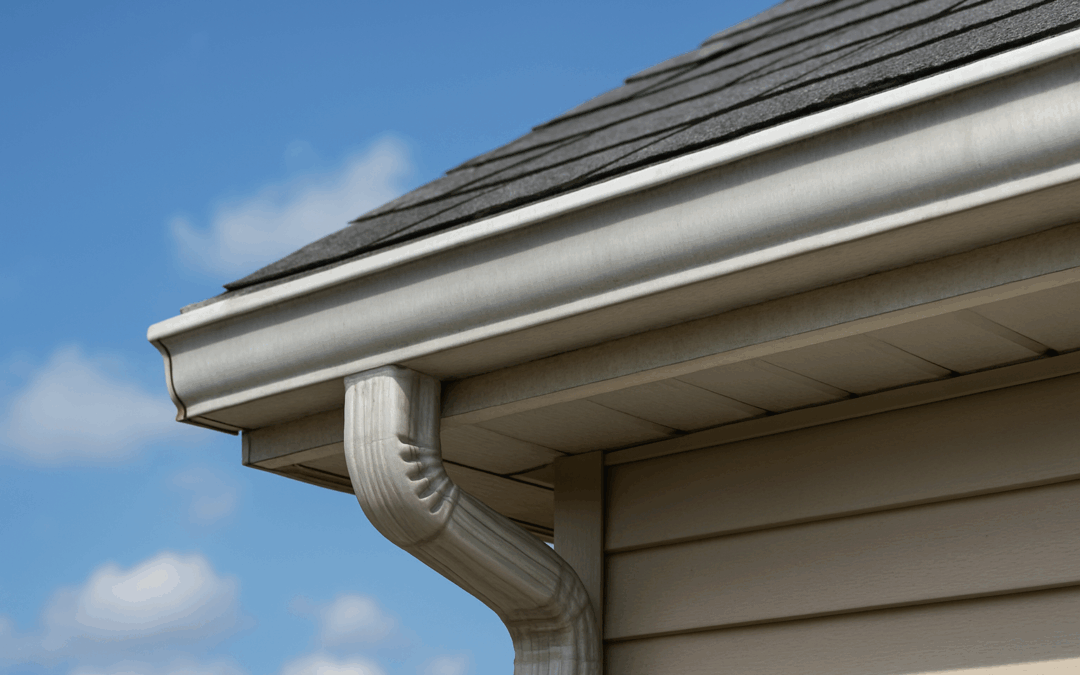
Gutter slope, interchangeably called gutter pitch, refers to the precise downward angle created during gutter installation to facilitate proper water drainage. This engineered slope harnesses gravity to move rainwater efficiently from collection points along your roofline toward designated downspout locations and ultimately away from your home’s foundation.
The mathematics behind effective gutter slope involves careful calculations based on multiple factors. Industry standards typically recommend one-quarter inch of downward slope for every ten feet of horizontal gutter length. This ratio, expressed as 1:40, creates sufficient gravitational force to maintain steady water flow without creating visually obvious angles that compromise your home’s aesthetic appeal.
However, Tennessee’s specific weather patterns often require modifications to these standard calculations. Nashville’s average annual precipitation of 47 inches and Knoxville’s 48 inches, combined with the intensity of our regional thunderstorms, sometimes necessitate slightly increased slopes to handle peak water volumes effectively.
Tennessee’s Climate Challenges
Nashville and Knoxville experience distinctly different microclimates that directly impact gutter slope requirements. Nashville’s urban environment creates heat island effects that can cause rapid temperature fluctuations, leading to thermal expansion and contraction of gutter materials. This constant movement can gradually alter slope angles over time, requiring periodic assessment and adjustment.
Knoxville’s location in the Tennessee Valley, surrounded by mountains, creates unique weather patterns including sudden downpours, temperature variations, and occasional ice storms. These conditions demand gutter systems with precise slope calculations to handle both extreme water volumes and temperature-related expansion issues.
Both cities experience humid summers that promote rapid vegetation growth. Inadequately sloped gutters that allow standing water become perfect environments for seed germination, leading to plants growing directly in gutter systems. This vegetation can completely block water flow and add significant weight that damages mounting hardware.
Tennessee’s clay-heavy soil composition throughout both regions makes foundation water management critically important. Improper gutter slope that allows overflow near foundations can cause clay soil expansion and contraction cycles that damage basement walls, create settling issues, and compromise structural integrity.
Understanding Slope Measurement and Calculation
Accurate slope measurement requires understanding both the theoretical calculations and practical application considerations specific to Tennessee homes. The basic quarter-inch per ten-foot measurement provides a foundation, but real-world applications often require adjustments based on local factors.
Gutter length significantly impacts slope calculations. Longer gutter runs in Nashville and Knoxville homes may require multiple high points with water flowing in different directions toward separate downspouts. This approach prevents any single gutter section from becoming too long, which could overwhelm drainage capacity during Tennessee’s intense summer thunderstorms.
Roof characteristics directly influence optimal slope requirements. Tennessee homes with steeper roof pitches shed water more rapidly, requiring gutters with increased slope capacity to handle the accelerated water flow. Similarly, homes with large roof areas or complex rooflines may need customized slope solutions to manage water collection effectively.
The positioning and number of downspouts also affects slope calculations. Tennessee’s rainfall intensity often exceeds national averages during peak storm events, making additional downspouts and corresponding slope adjustments necessary for adequate drainage performance.
Identifying Slope Problems
Tennessee homeowners should develop skills for recognizing slope-related problems before they cause expensive damage. Early detection allows for corrections that prevent foundation issues, landscape erosion, and structural damage common in our region.
Standing water visible in gutters after typical Tennessee rainfall indicates insufficient slope. However, more subtle indicators include water staining on exterior gutter surfaces, mineral deposit accumulation along gutter edges, and moss or algae growth in gutter channels.
Overflow patterns during moderate rainfall provide valuable diagnostic information about slope adequacy. If gutters overflow consistently in the same locations during average storms, slope insufficiency is likely the primary cause. Similarly, water accumulation near foundations after typical rainfall suggests that slope problems are directing water inappropriately.
Gutter sagging often results from the additional weight created by standing water in improperly sloped systems. Tennessee homeowners should regularly inspect for gutter sections that appear lower than surrounding areas or show separation from fascia boards, as these conditions indicate urgent slope correction needs.
The Connection Between Slope and System Longevity
Proper slope significantly impacts gutter system lifespan, particularly important for Tennessee homeowners dealing with our region’s weather extremes. Correctly sloped gutters experience less standing water, reducing corrosion rates in metal systems and preventing the moisture-related deterioration that affects all gutter materials.
Tennessee’s temperature fluctuations cause repeated expansion and contraction cycles in gutter materials. Systems with proper slope experience less stress because water drains efficiently rather than creating additional weight and pressure during these thermal cycles.
The humid conditions common to both Nashville and Knoxville promote rapid biological growth in any standing water. Properly sloped gutters eliminate these moisture pockets, preventing algae, moss, and bacterial growth that can stain, corrode, and structurally weaken gutter systems over time.
Professional Slope Assessment Advantages
While homeowners can perform basic visual inspections, professional slope assessment provides the precision necessary for optimal performance in Tennessee’s challenging climate conditions. Experienced professionals use specialized leveling equipment to measure existing slopes and calculate required adjustments for maximum effectiveness.
Professional assessment also identifies contributing factors that homeowners might overlook. Issues such as fascia board irregularities, structural settling, or thermal movement effects require expert evaluation to develop comprehensive slope correction strategies.
Complex rooflines common in Nashville and Knoxville homes often require sophisticated slope solutions that balance multiple drainage zones while maintaining structural integrity and aesthetic appeal. Professional experience becomes invaluable for these challenging installations.
Regional Considerations for Tennessee Homes
Nashville’s urban environment presents unique challenges including air pollution that can accelerate gutter deterioration and urban heat effects that impact slope stability over time. Proper slope helps minimize these impacts by ensuring rapid water flow that prevents pollutant accumulation and reduces thermal stress.
Knoxville’s mountain proximity creates additional considerations including higher wind loads that can affect gutter positioning and occasional ice formation that requires adequate slope to prevent ice dam development.
Both regions experience seasonal leaf fall that can temporarily obstruct drainage systems. Proper slope helps maintain water flow even when gutters contain moderate debris levels, reducing the frequency of required maintenance and cleaning.
Conclusion
Understanding and maintaining proper gutter slope and pitch represents one of the most important investments Tennessee homeowners can make in protecting their properties. The unique climate challenges faced by Nashville and Knoxville residents, from intense summer storms to temperature fluctuations and humid conditions, make precise gutter slope absolutely critical for preventing water damage, foundation problems, and premature system failure. Big Orange Gutters understands these regional challenges and the vital role that proper slope plays in protecting Tennessee homes. By ensuring your gutter system maintains appropriate slope and pitch, you’re making a smart investment in the long-term protection and value of your Tennessee home.