Rain may be a normal part of life in Tennessee, but the way that water flows after a storm can have a lasting impact on your property. While gutters, downspouts, and drains are designed to handle rainwater, the journey that water takes once it leaves your home can determine whether it helps nourish your yard or threatens your foundation. In this article, Big Orange Gutters explains how rainwater runoff works, why it matters for Nashville and Knoxville homeowners, and what factors influence it in our region.
What Is Rainwater Runoff?
Rainwater runoff is the water that flows over your roof, yard, driveways, sidewalks, and other surfaces during and after rainfall. This water follows the path of least resistance until it soaks into the ground, evaporates, or flows into storm drains.
In cities like Nashville and Knoxville, where heavy rainstorms are common—especially during spring and summer—runoff can be significant. If not properly managed, it can lead to pooling water, soil erosion, and foundation stress.
Why Rainwater Runoff Matters for Foundations
A home’s foundation is designed to provide structural support, but constant exposure to excess water can create problems over time. Poorly directed runoff can:
1. Cause Soil Erosion
Fast-moving water can carry away soil from around your foundation, leaving gaps that reduce stability.
2. Increase Hydrostatic Pressure
When soil becomes saturated, the weight of the water pushes against basement or crawl space walls, potentially leading to cracks or leaks.
3. Trigger Foundation Settlement
If soil under the home shifts or washes away, sections of the foundation can sink, causing uneven floors or structural strain.
The Connection Between Gutters and Runoff
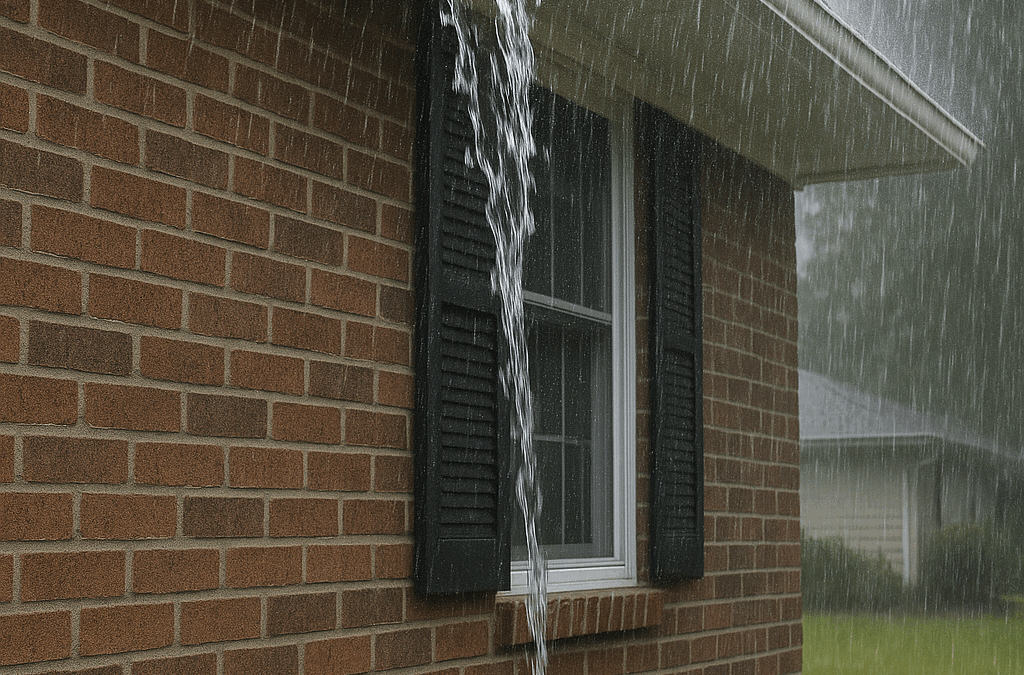
Gutters are the first line of defense against uncontrolled rainwater runoff. They capture water as it flows from the roof and channel it through downspouts. Without gutters, water falls directly from the roof edge, creating concentrated streams that erode the soil below.
In Tennessee’s varied climate—where Nashville may see frequent spring storms and Knoxville can experience heavy summer rains—gutters help slow and guide water, reducing the risk of foundation problems caused by excessive runoff.
Signs of Poor Runoff Management
It’s not always obvious when runoff is causing problems, but common indicators include:
- Water pooling near your foundation after storms
- Washed-out mulch or landscaping
- Mud splatter on siding or foundation walls
- Cracks in foundation walls or floors
- Persistent dampness in basements or crawl spaces
Factors Affecting Rainwater Runoff in Middle and East Tennessee
Our region has unique conditions that influence how runoff behaves:
- Hilly Terrain – In Knoxville, slopes can accelerate water flow, increasing erosion risks.
- Urban Development – Paved surfaces in Nashville prevent water from soaking into the ground, increasing runoff volume.
- Soil Types – Clay-heavy soil expands when wet and contracts when dry, making it prone to shifting.
- Seasonal Rain Patterns – Heavy rain can occur in both spring and late summer, sometimes overwhelming drainage systems.
Methods for Directing Rainwater Away From the Foundation
While the right approach depends on your property’s layout, homeowners often consider options like:
- Splash Blocks – Placed beneath downspouts to disperse water over a wider area.
- Downspout Extensions – Move water farther from the foundation.
- French Drains – Underground pipes that redirect water away from problem zones.
- Proper Grading – Ensuring the ground slopes away from the home.
Landscaping for Runoff Control
Landscaping can play a big role in slowing and absorbing runoff. Features such as rain gardens, native plants, and permeable walkways allow water to soak into the soil rather than rushing toward the foundation. In Tennessee, plants like black-eyed Susan, purple coneflower, and switchgrass can help reduce erosion while adding beauty to the yard.
Seasonal Runoff Considerations
- Spring – Storms can bring large amounts of rain in short bursts, increasing runoff volume.
- Summer – Pop-up thunderstorms can quickly overwhelm unprepared drainage areas.
- Fall – Falling leaves can clog gutters and slow water flow.
- Winter – Though heavy snow is rare, freeze-thaw cycles can affect soil stability.
Conclusion
Rainwater runoff is more than just a side effect of a rainy day—it’s a key factor in protecting your home’s foundation. By understanding how water flows across your property and taking steps to guide it safely away from your foundation, you can help prevent soil erosion and structural strain.