Rainwater management plays a crucial role in protecting a home’s structure, foundation, and landscaping. While gutters often get the most attention, downspouts are just as important — and their placement can have a significant impact on how effectively water is moved away from the home. For homeowners in Nashville and Knoxville, TN, where weather patterns bring everything from gentle showers to intense thunderstorms, understanding proper downspout placement is essential for effective rainwater control. Big Orange Gutters shares this educational information to help homeowners better understand how their gutter systems work and why placement matters.
What Exactly is a Downspout and Why Does Placement Matter?
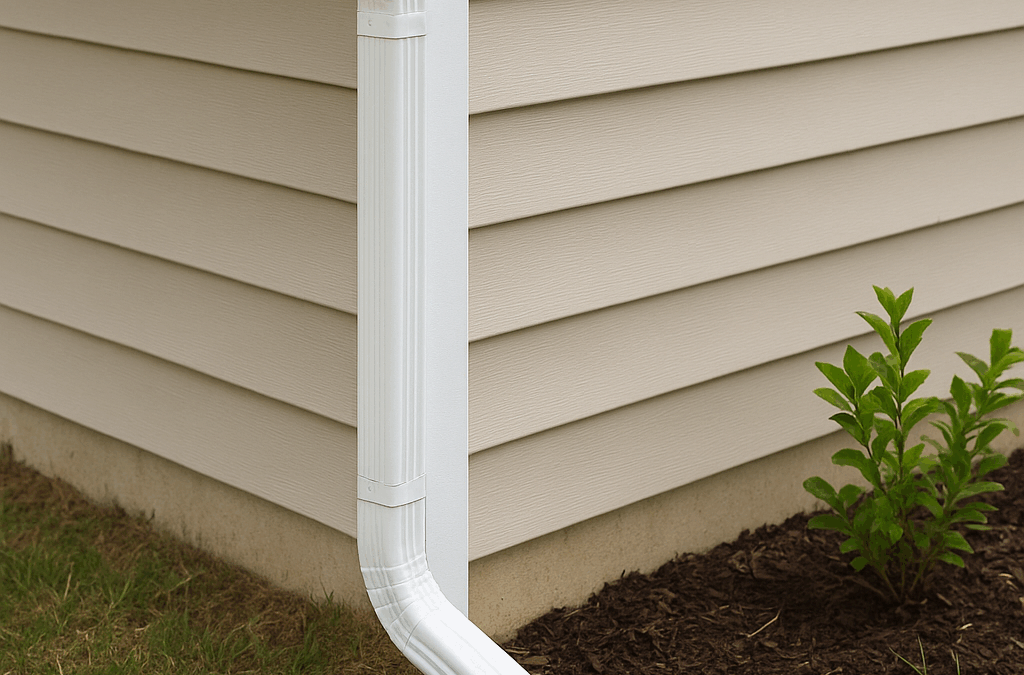
A downspout is the vertical pipe that channels water from your horizontal gutter system down to the ground, a drainage system, or a collection barrel. Its purpose seems straightforward — move water away from your home — but placement affects several key factors:
- Foundation Safety – Incorrect placement can cause water to collect near the foundation, leading to erosion or cracks over time.
- Landscaping Health – Poorly directed water flow can wash away mulch, damage plants, or create muddy problem areas.
- Home Exterior Protection – Properly placed downspouts reduce the risk of water splashing against siding, soffits, and fascia boards.
When placed strategically, downspouts ensure water exits in a way that minimizes risk to both the home and the surrounding landscape.
General Guidelines for Downspout Placement
While every property is unique, there are common best practices for downspout positioning:
- Even Spacing – A general guideline is to place one downspout for every 20–30 feet of gutter length to prevent overflow.
- Proper Gutter Slope – Gutters should slope slightly toward the nearest downspout to encourage steady water movement.
- Corner Locations – Many homes use corner placements for convenience and efficiency.
- Obstacle Awareness – Downspouts should not release water onto sidewalks, driveways, or low points prone to flooding.
Weather and Geography Factors in Nashville & Knoxville
Middle and East Tennessee experience a variety of weather patterns that influence downspout needs:
- High Rainfall Periods – Nashville and Knoxville both receive an average of over 50 inches of rain annually, often in sudden downpours.
- Stormwater Management Challenges – Thunderstorms can quickly overwhelm a poorly designed system.
- Hilly Terrain in Knoxville – Sloped lots can cause water to flow toward unwanted areas if downspouts aren’t carefully placed.
- Urban Drainage in Nashville – City lots may have limited space for water runoff, requiring extra thought in directing water away from the home.
These factors mean that downspout placement in Tennessee often requires considering both roof size and the lay of the land.
Downspout Extensions and Water Direction Tools
Even if downspouts are ideally placed, the water still needs a proper destination. Extensions, splash blocks, and underground drainage options can help ensure that water doesn’t simply pool in a new location. Common tools include:
- Splash Blocks – Spread water over a broader area to prevent erosion.
- Flexible Extensions – Guide water farther away from the foundation.
- Buried Drainage Pipes – Move water underground to a safer discharge point.
- Rain Gardens – Absorb runoff naturally and reduce stress on storm drains.
The best choice often depends on property slope, soil type, and available space.
Signs of Poor Downspout Placement
Over time, certain warning signs may indicate that downspout placement should be evaluated:
- Water Pooling Near the House – Suggests the exit point is too close to the foundation.
- Overflowing Gutters During Rain – May mean there aren’t enough downspouts to handle the volume.
- Erosion Around the Exit Point – Shows that water is coming out too forcefully in one location.
- Water Stains on Siding or Foundation – Could result from splashing due to improper direction.
Spotting these signs early can prevent bigger water issues in the future.
How Gutter Maintenance Affects Downspout Efficiency
Even the most perfectly placed downspout can’t work well if the gutters are clogged. Leaves, twigs, and other debris block the flow of water, forcing it to spill over rather than travel down to the exit point. Routine maintenance ensures that:
- Water flows efficiently toward each downspout.
- Downspouts handle their designed capacity.
- Rainwater consistently moves away from vulnerable areas.
Given the number of storms in Tennessee that bring both heavy rain and debris, keeping gutters clear is an important part of making downspout placement effective.
Final Thoughts
Downspout placement is more than just a construction detail — it’s a critical factor in keeping water under control around your home. By understanding how downspouts work, where they should be located, and how Tennessee’s unique weather and terrain affect water flow, homeowners can make better decisions about their gutter systems. Whether evaluating a current setup or learning for future planning, this knowledge can help protect your home from unnecessary water problems. Big Orange Gutters values providing educational information to help Nashville and Knoxville residents understand the importance of proper rainwater management.