Keeping gutters clear is essential for protecting homes from water damage, especially in areas that experience heavy rainfall and seasonal storms. For homeowners in Middle and East Tennessee, gutter guards can play a big role in reducing clogs and improving gutter efficiency. At Big Orange Gutters in Nashville and Knoxville, TN, we want to provide homeowners with the information they need to better understand gutter guards, their benefits, and their limitations.
What Are Gutter Guards?
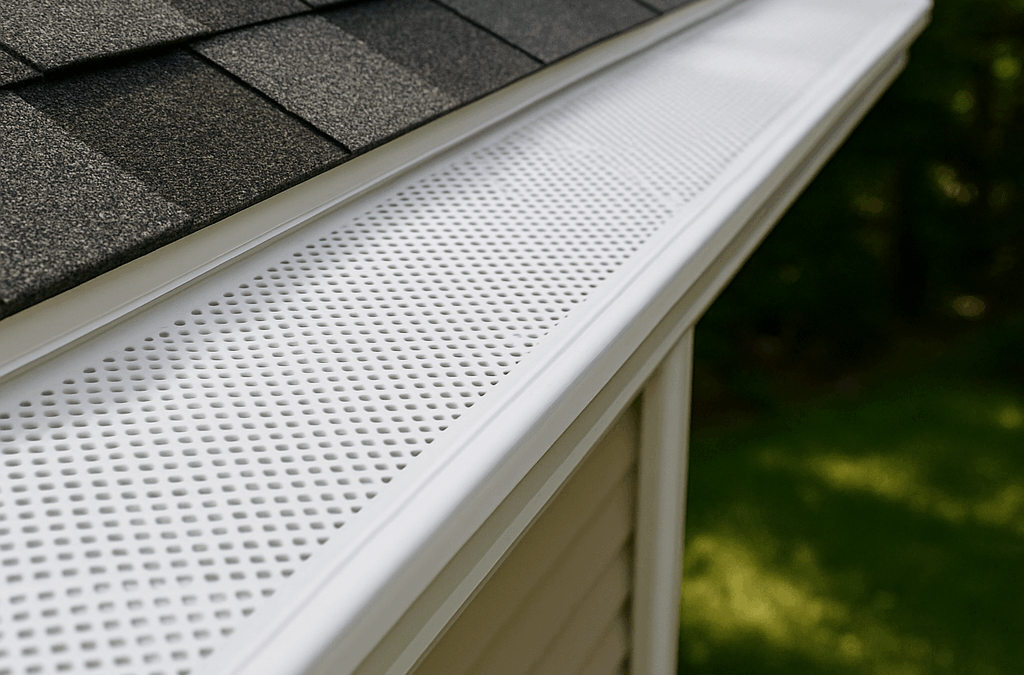
Gutter guards are protective systems installed over or inside gutters that help block debris such as leaves, pine needles, and twigs, while still allowing rainwater to flow freely. They don’t make gutters maintenance‑free, but they do significantly reduce the amount of debris that enters the system.
Why Gutter Guards Are Useful in Tennessee
In Nashville and Knoxville, homeowners deal with a variety of seasonal debris. Fall brings heavy leaf drop, while spring and summer often bring storms that scatter twigs, pollen, and shingle grit into gutters. Without some type of barrier, gutters can clog quickly, leading to overflow that may cause roof, siding, or foundation damage. Gutter guards add a layer of protection that helps minimize these risks.
Common Types of Gutter Guards
There isn’t a one‑size‑fits‑all option when it comes to gutter protection. Below are the most common types of gutter guards used by homeowners:
1. Screen Gutter Guards
- Design: A mesh or wire screen placed over the gutter.
- Pros: Affordable and relatively easy to set up.
- Cons: Small debris can pass through and may still require occasional cleaning.
2. Micro-Mesh Gutter Guards
- Design: Very fine mesh that filters out even the smallest particles.
- Pros: Excellent for keeping out shingle grit and pine needles.
- Cons: Higher initial cost compared to basic screens.
3. Reverse Curve (Surface Tension) Guards
- Design: Uses a curved surface to guide rainwater into the gutter while debris slides off the edge.
- Pros: Effective at handling large amounts of water.
- Cons: Often visible from the ground and usually requires professional installation.
4. Brush Gutter Guards
- Design: Large cylindrical brushes that sit inside the gutter.
- Pros: Easy to install and remove.
- Cons: Smaller debris can become lodged in the bristles, requiring cleaning.
5. Foam Gutter Guards
- Design: Foam inserts that block debris while letting water pass through pores.
- Pros: Lightweight and easy to fit into gutters.
- Cons: Can degrade over time due to weather exposure.
Key Benefits of Gutter Guards
Gutter guards are not a cure‑all, but they can make a noticeable difference for many homeowners:
- Less Frequent Cleaning: They cut down the number of times gutters need to be cleared each year.
- Reduced Overflow: By limiting clogs, gutter guards help gutters direct water away from the home.
- Pest Deterrent: Certain designs discourage birds, squirrels, and insects from nesting in gutters.
- Better Gutter Performance During Storms: Guards help prevent blockages that cause sudden overflow during heavy rain.
- Protection Against Ice Dams: In cold weather, guards can help reduce standing debris and moisture that contribute to ice buildup.
Things Tennessee Homeowners Should Consider
Before investing in gutter guards, Nashville and Knoxville homeowners may want to weigh these factors:
- Tree Coverage – Homes surrounded by mature trees often need more advanced gutter guard designs.
- Roof Pitch – Steeper roofs can affect water flow and how well guards perform.
- Weather Conditions – Tennessee’s heavy rainstorms call for guards that can handle high water volumes.
- Maintenance Needs – Even with guards, occasional inspections and light cleaning are still necessary.
- Long‑Term Value vs. Upfront Cost – Some guards last much longer than others, which may influence the best choice.
Do Gutter Guards Eliminate Cleaning?
It’s important to note that gutter guards don’t completely remove the need for maintenance. While they keep out larger debris, smaller particles like pollen, seeds, and grit can still build up. Regular inspection—especially after storms—ensures gutters and guards continue working properly.
Conclusion
For homeowners in Nashville and Knoxville, TN, gutter guards provide an effective way to reduce clogs, improve drainage, and help protect homes from water damage. With various designs available, from simple screens to advanced micro‑mesh systems, there’s an option to fit many different needs and budgets.