
Winter storms in Tennessee bring unique challenges that homeowners throughout Nashville and Knoxville must prepare for each year. Big Orange Gutters has observed firsthand how proper gutter maintenance before winter can prevent thousands of dollars in damage to Tennessee homes. Understanding the relationship between gutter systems and winter weather is fundamental to protecting your property during the cold months ahead.
Tennessee’s Distinctive Winter Climate
Central and East Tennessee experience winter weather patterns that differ significantly from each other and from national averages. Nashville, situated in Middle Tennessee, typically sees milder winters with occasional ice storms and snow events. Knoxville, positioned closer to the Appalachian Mountains, experiences colder temperatures and more frequent winter precipitation, including snow accumulation that can stress unprepared gutter systems.
Both regions share a common challenge: freeze-thaw cycling. Tennessee winters rarely maintain consistent temperatures. Instead, daytime highs may reach 45-50°F while nighttime lows plunge to 25-30°F. This pattern creates ideal conditions for ice formation in gutters. Water from melting snow or winter rain collects in gutters during warmer periods, then freezes solid overnight. This cycle repeats throughout winter, each time expanding and contracting the ice, which gradually damages gutter materials and connections.
Tennessee also experiences significant ice storms, particularly in Nashville, where freezing rain can accumulate rapidly. These storms deposit ice directly into gutters, downspouts, and on roofs, creating hazardous conditions that well-maintained gutters help mitigate.
The Function of Gutters During Winter
Gutter systems perform critical work year-round, but winter demands peak performance under difficult conditions. Their primary function—channeling water away from your home—becomes complicated when temperatures drop below freezing. Properly functioning gutters prevent water from pooling near foundations, seeping under siding, or accumulating on roofs where it can freeze into damaging ice formations.
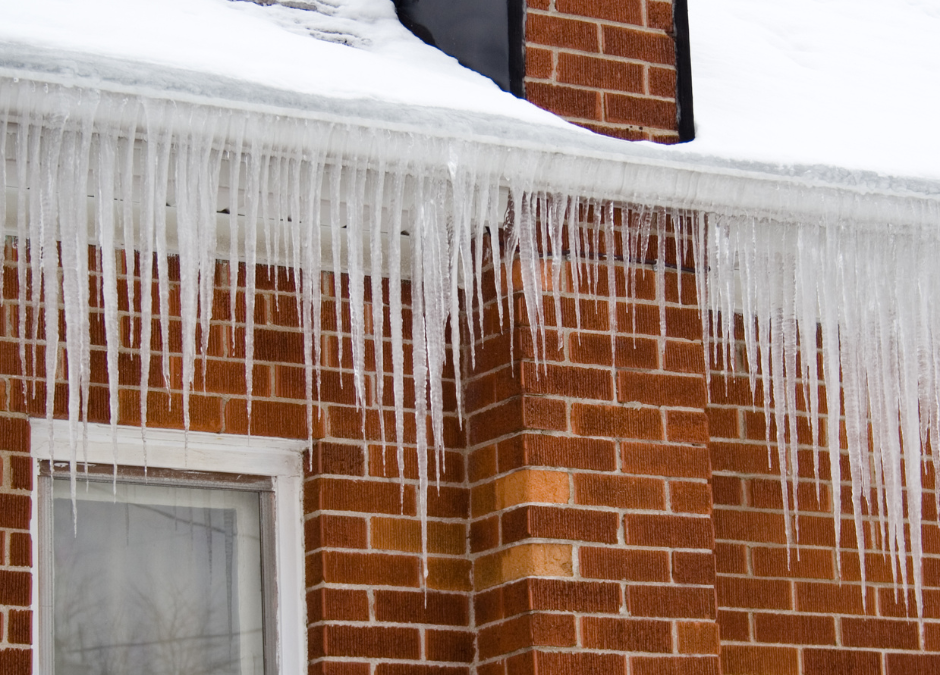
During snowfall, gutters catch melting snow from roof surfaces. As long as gutters remain clear and properly pitched, this water flows to downspouts and away from the home. However, when gutters contain debris from fall or have structural issues, melting snow cannot escape. It refreezes in the gutter channel, beginning the formation of ice dams and icicles that signal drainage problems.
In Tennessee’s variable winter climate, a single winter storm can drop several inches of snow followed by temperatures warm enough to begin melting, then plunge back below freezing. This sequence tests gutter systems severely, revealing any weaknesses in capacity, structural integrity, or installation quality.
Consequences of Neglected Winter Gutter Maintenance
Homeowners who postpone gutter maintenance often discover the consequences during or after winter storms. Ice dams rank among the most destructive outcomes. These ice formations build up at roof edges when escaping heat melts roof snow, which then refreezes at the colder eave area. Once established, ice dams create barriers that trap subsequent meltwater, forcing it sideways and backward under shingles.
This water infiltration can damage roof decking, saturate attic insulation, stain ceilings, and drip into wall cavities where it promotes mold growth. In severe cases, the weight of ice dams can damage roof structures themselves. Nashville and Knoxville both see numerous insurance claims each winter related to ice dam damage that proper gutter maintenance could have prevented or minimized.
Gutter separation represents another common winter problem. Ice accumulation adds substantial weight—a five-inch gutter completely filled with ice weighs approximately 25 pounds per foot. A typical home with 150 feet of gutters could be supporting nearly two tons of ice. Fasteners and hangers installed during warmer months may not withstand this load, causing gutters to pull away from fascia boards, bend, or collapse entirely.
Foundation problems also stem from winter gutter failures. When gutters overflow or leak, water deposits directly beside the foundation. In freezing conditions, this water expands as it freezes, exerting pressure on foundation walls and potentially causing cracks. Over multiple freeze-thaw cycles, minor foundation issues can develop into major structural concerns.
Pre-Winter Gutter Inspection Points
A comprehensive pre-winter inspection identifies vulnerabilities before severe weather arrives. Begin by examining gutters for debris accumulation. Tennessee’s abundant oak, maple, hickory, and pine trees shed leaves and needles throughout fall. Even after trees appear bare, substantial debris often remains in gutters, particularly in valleys and near downspouts.
Inspect all gutter seams, joints, and end caps for separation or gaps. These openings allow water to escape rather than flow toward downspouts. In winter, escaping water freezes on siding, windows, or foundations, causing damage far beyond the gutter system itself.
Check downspouts for blockages by running water through them with a hose. Downspouts often clog at elbows and joints where debris compresses. A blocked downspout makes the entire connected gutter section useless, causing overflow regardless of how clean the gutter channel itself might be.
Evaluate gutter pitch—the slight angle toward downspouts that enables gravity-driven drainage. Gutters should slope approximately ¼ inch per 10 feet of run. Standing water in any gutter section indicates improper pitch, a situation that becomes critical in winter when pooled water freezes.
Examine fasteners and hangers that secure gutters to the fascia board. Loose, corroded, or missing fasteners allow gutters to sag, disrupting proper pitch and reducing the system’s ability to handle winter’s additional weight demands.
Understanding Gutter Materials in Winter Conditions
Different gutter materials respond uniquely to Tennessee winter conditions. Aluminum gutters, the most common type, offer good durability and rust resistance. However, extreme cold can make aluminum somewhat brittle, and the expansion-contraction cycle of freezing water can stress seams and joints.
Vinyl gutters provide an economical option but perform poorly in severe cold. Vinyl becomes brittle when frozen and may crack under the stress of ice expansion. This material works adequately in Nashville’s milder winters but faces challenges in Knoxville’s colder climate.
Steel gutters offer excellent strength and can bear heavy ice loads better than other materials. However, steel requires protective coatings to prevent rust, and any damage to these coatings allows moisture penetration that accelerates corrosion, especially in winter when de-icing salts and road chemicals become airborne.
Copper gutters provide superior durability and handle temperature fluctuations well. Their cost places them beyond many budgets, but their longevity and performance in Tennessee’s variable climate make them a premium option worth considering during replacement decisions.
Protective Measures and Maintenance Strategies
Several preventive actions help Tennessee homeowners prepare gutters for winter. Thorough cleaning before the first hard freeze removes debris that could trap water and promote ice formation. For Nashville area homes, late November typically represents ideal timing. Knoxville homeowners should consider early November cleaning due to earlier cold weather arrival.
Installing gutter guards or screens prevents debris accumulation and reduces maintenance frequency. These systems allow water to enter while blocking leaves and twigs. In Tennessee, where fall debris can be substantial, gutter guards offer year-round benefits with particular advantages during winter months.
Ensuring adequate attic insulation and ventilation reduces ice dam formation. When attics maintain temperatures close to outdoor levels, less roof snow melts prematurely. This building science approach complements gutter maintenance by addressing one root cause of ice dam development.
Trimming tree branches that overhang roofs reduces debris accumulation and prevents branches loaded with ice from falling onto gutters and causing damage. This landscape maintenance task supports gutter system longevity.
Conclusion
Winter weather in Nashville and Knoxville presents distinct challenges to gutter systems that require proactive attention from homeowners. The freeze-thaw cycles, ice storms, and variable temperatures characteristic of Tennessee winters test gutters in ways that other seasons do not. Big Orange Gutters understands that educated homeowners throughout Middle and East Tennessee can better protect their properties by recognizing the critical relationship between properly maintained gutters and winter storm preparation. By addressing gutter maintenance before winter arrives, Tennessee residents minimize risks of ice damage, foundation problems, and costly water infiltration issues that compromise home integrity and value.