Residents of Nashville and Knoxville often focus winter home maintenance efforts on heating systems, insulation, and weatherproofing. Big Orange Gutters serves both Tennessee communities with educational resources that help homeowners understand why drainage system maintenance deserves equal attention during cold months.
Why Winter Drainage Maintenance Matters in Tennessee
Tennessee’s winter climate combines elements that challenge residential water management infrastructure. Both Nashville and Knoxville experience precipitation throughout cold months, with weather patterns alternating between rain, sleet, and occasional snow. These varied conditions test drainage systems in ways that mild, dry winters never would.
Residential drainage infrastructure serves a deceptively simple purpose: collect water falling on roof surfaces and transport it away from home foundations and structural components. This fundamental protection becomes even more critical during winter when temperature fluctuations create conditions for ice formation and freeze-thaw damage.
Temperature Variability Creates Unique Challenges
Middle Tennessee experiences dramatic temperature swings throughout winter. A typical week might include afternoon highs reaching the mid-fifties, followed by overnight temperatures dropping into the low twenties. These fluctuations create ideal conditions for repeated freezing and thawing cycles.
Water behaviors change dramatically at thirty-two degrees Fahrenheit. The physical expansion that accompanies freezing exerts tremendous force on containers, whether those containers are pipes, drainage channels, or the mounting hardware that supports them. This expansion force can crack concrete, split wood, and tear metal seams.
When drainage channels contain standing water due to blockages, that water freezes solid during temperature drops. As daytime warmth returns, partial melting occurs, only to refreeze when night arrives. This cycle repeats throughout the season, progressively damaging materials through mechanical stress.
Precipitation Patterns Across Tennessee
Unlike northern climates where winter precipitation primarily falls as snow and accumulates until spring thaw, Tennessee receives substantial winter rainfall. Nashville averages over four inches of precipitation during January and February combined, with similar totals for Knoxville. This moisture must be managed continuously rather than handled in a single spring melt event.
Winter rain often arrives in substantial volumes. Individual storm systems can deliver one to two inches within hours. When drainage systems are obstructed, this volume overwhelms channel capacity, forcing water to overflow edges and seek alternative drainage paths.
The combination of rainfall and temperature drops creates particularly hazardous conditions. Rain that fills obstructed channels during above-freezing periods becomes ice when temperatures plunge overnight. This ice remains even after temperatures moderate, creating persistent blockages that affect subsequent precipitation events.
Regional Vegetation Impacts Maintenance Timing
Both Nashville and Knoxville feature abundant urban forests with diverse tree populations. Oak species, maple, hickory, and sweetgum trees dominate many neighborhoods. These deciduous species drop foliage on different schedules, with some varieties retaining leaves well into December.
Oak trees present particular challenges for drainage maintenance. Many oak species are “marcescent,” meaning they retain dead leaves throughout winter rather than dropping them in autumn. These leaves eventually fall during winter storms or remain attached until spring growth pushes them off.
This extended leaf-drop period means autumn cleaning may not suffice. Homeowners who clean channels in October often find them full again by December as late-dropping species complete their seasonal cycle. Understanding local tree populations helps property owners schedule maintenance appropriately.
Structural Risks From Drainage Failures
Water damage to home structures follows predictable patterns when drainage systems fail. The specific risks vary based on how water enters and where it accumulates, but all create expensive repair needs if left unaddressed.
Foundation damage tops the list of serious concerns. When water pools around foundation perimeters instead of being directed away by functional drainage systems, it saturates surrounding soil. In Tennessee’s clay-rich soils, this saturation causes expansion. Freezing temperatures compound the problem as frozen, expanded soil exerts lateral pressure against foundation walls.
Concrete foundations develop cracks under sustained pressure. Block foundations may shift or bow inward. These structural issues worsen progressively over multiple freeze-thaw cycles. What begins as minor settlement can progress to serious foundation failure requiring extensive remediation.
Exterior wall components also suffer when drainage systems overflow. Water cascading down siding penetrates behind surface materials, wetting structural sheathing and framing lumber. Wood materials subject to prolonged moisture exposure develop rot as fungal organisms colonize damp surfaces.
Roof System Vulnerabilities
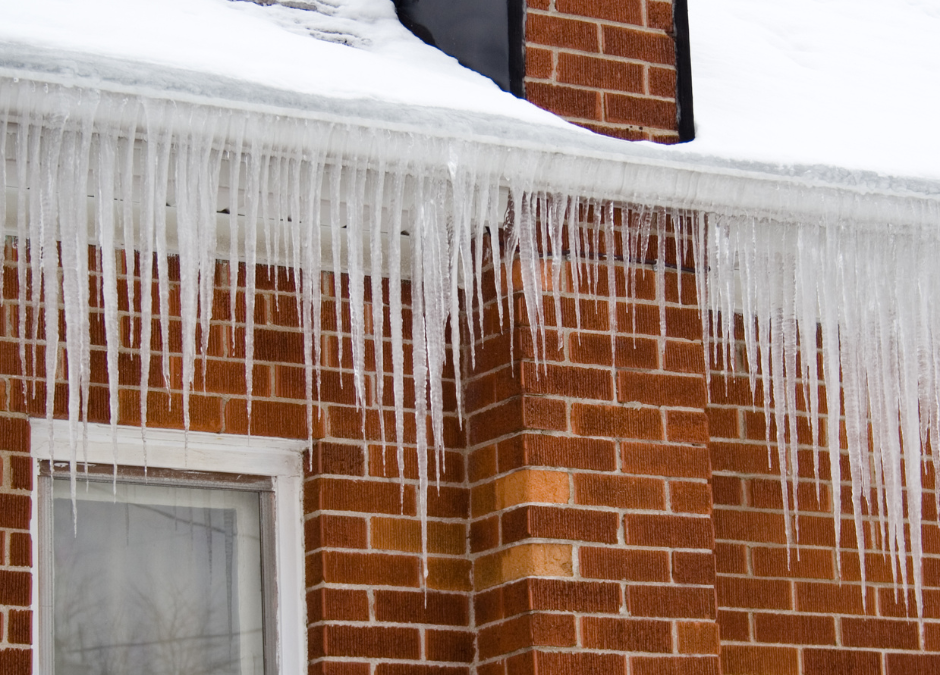
Ice dams represent one of winter’s most destructive drainage-related problems. These ice formations develop when heat escaping through inadequate attic insulation warms roof surfaces enough to melt snow. Meltwater flows downslope until reaching colder roof edges where it refreezes.
When drainage channels are obstructed, this refreezing water has nowhere to go except back up onto roof surfaces. Ice accumulations grow with each freeze-thaw cycle, eventually creating dams that extend several feet up roof slopes. Water pools behind these dams, working its way beneath shingle layers designed only to shed water flowing downslope.
Once water penetrates past shingles, it contacts felt paper, roof decking, and eventually insulation and interior ceiling materials. The resulting damage often isn’t discovered until spring when interior water stains appear or attic inspections reveal damaged insulation and rotted decking.
Repair costs for ice dam damage can reach thousands of dollars. Roof deck replacement, insulation removal, and interior ceiling repairs quickly escalate beyond simple maintenance expenses into major renovation territory.
Weight-Related System Failures
Functional drainage channels contain only flowing water, which exerts minimal stress on mounting hardware and support structures. Obstructed channels filled with debris, standing water, and accumulated ice create static loads far exceeding design specifications.
A typical residential channel section measuring ten feet long and filled with ice-saturated debris can weigh two hundred pounds or more. Mounting brackets spaced every two to three feet must support this weight while maintaining proper slope and alignment.
Excessive weight causes predictable failure patterns. Mounting screws or spikes pull out of fascia boards. Fascia boards themselves crack or separate from rafter tails. Channel sections sag in the middle, creating low spots where additional water pools and freezes. Seams separate as adjacent sections pull in different directions.
Once structural failures begin, they typically progress rapidly. A single failed mounting bracket shifts load to adjacent brackets, accelerating their failure. What might have been prevented through simple maintenance becomes an expensive replacement project.
Pest Problems Associated With Neglected Systems
Accumulated organic debris within drainage channels creates microhabitats attractive to various animal species. Damp leaves, twigs, and seed material provide insulation and protection from weather elements while offering nesting material and potential food sources.
Squirrels frequently establish winter nests within debris-filled channels or use them as elevated pathways to access roof and attic spaces. Once squirrels gain attic access, they may cause significant damage by chewing electrical wiring, destroying insulation, and creating health hazards through waste accumulation.
Rodents including rats and mice also exploit clogged drainage systems. These animals can squeeze through surprisingly small openings, using channel debris as staging areas for entry into wall cavities and interior spaces. Beyond property damage, rodents carry diseases transmissible to humans and pets.
Bird nests within channels and downspout entries obstruct water flow even when other debris is removed. Common species including starlings, sparrows, and house finches build substantial nests that completely block drainage paths. These nests often go unnoticed until overflow problems appear.
Practical Maintenance Approaches for Homeowners
Property owners can implement several straightforward maintenance practices to minimize winter drainage problems. Regular inspection tops the list of preventative measures. Walking the property perimeter after significant weather events takes only minutes but can reveal developing problems before they cause serious damage.
Observable indicators include ice formations hanging from channel fronts, water staining on siding below channel edges, and sagging or separated channel sections. Ground-level signs include erosion patterns near foundations, standing water around building perimeters, and ice sheets extending from downspout discharge points.
Optimal maintenance timing for Tennessee properties typically falls in late November or early December. This schedule allows completion after most trees have dropped leaves but before sustained freezing temperatures arrive. Properties with significant oak populations may require follow-up inspections or cleanings in January.
Downspout functionality requires verification separate from channel condition. Blockages within vertical downspout sections prevent drainage even when horizontal channels are clear. Testing involves introducing water at upper channel points and confirming proper discharge at ground level. Absence of discharge indicates downspout obstructions requiring removal.
Winter Work Safety Requirements
Cold-weather exterior work introduces hazards absent during warmer seasons. Ladder stability decreases on frozen or saturated ground. Icy surfaces on rungs, roof edges, and channels create slipping hazards. Reduced daylight hours mean work often occurs in dim lighting conditions.
Cold temperatures affect physical capabilities in ways many people underestimate. Manual dexterity decreases as hand temperatures drop, making it harder to grip tools and maintain balance. Reaction times slow, reducing ability to respond to developing hazards. Heavy winter clothing restricts movement and can catch on ladders or roof projections.
Appropriate safety equipment becomes essential rather than optional for winter work. Heavy-duty gloves protect hands from cold while providing grip on wet or icy surfaces. Footwear with aggressive tread patterns prevents slipping on ladder rungs. Ladder stabilizers improve stability while preventing channel damage from rung pressure.
Weather conditions should dictate work scheduling. Wind speeds above fifteen miles per hour make ladder work dangerous. Wet or icy conditions multiply fall risks significantly. When conditions appear marginal, postponing work until safer weather arrives represents sound judgment rather than unnecessary caution.
Professional service providers offer advantages beyond simple convenience for winter maintenance work. Commercial equipment includes specialized ladders with enhanced stabilization and safety features. Technicians receive training in cold-weather work procedures and hazard recognition. Insurance coverage protects property owners from liability should accidents occur.
Long-Term System Protection Through Regular Maintenance
Well-maintained drainage systems can function effectively for decades. Aluminum systems commonly last thirty years or more, while steel and copper systems may exceed fifty years. These lifespans assume regular maintenance prevents damage from accumulated debris, ice loading, and standing water.
Neglected systems fail far sooner than maintained ones. Excess weight stresses mounting hardware and support structures, leading to sagging and separation. Standing water accelerates corrosion of metal components. Overflowing water damages fascia boards and other structural elements that support drainage infrastructure.
Replacement costs for residential drainage systems typically range from fifteen hundred to four thousand dollars depending on home size and material choices. This expense far exceeds the cost of regular maintenance, whether performed personally or by professionals. The economic argument for preventative maintenance remains compelling.
Beyond financial considerations, functional drainage systems protect multiple home components simultaneously. Foundations, exterior walls, roof structures, landscaping, and interior spaces all benefit from proper water management. The cumulative value of this protection exceeds simple calculation of drainage system replacement costs.
Conclusion
Homeowners throughout Nashville and Knoxville face distinctive winter maintenance challenges due to regional climate patterns, precipitation timing, and vegetation characteristics. Big Orange Gutters encourages residents of both communities to prioritize drainage system care during cold months, recognizing that winter conditions create risks absent during other seasons. Through understanding of local weather patterns and implementation of appropriate maintenance practices, Tennessee homeowners can protect their properties from preventable water damage while extending the functional lifespan of critical home infrastructure. Informed property owners make better decisions about maintenance timing, methods, and whether to pursue professional assistance, ultimately preserving both home value and structural integrity.