In the humid, storm-prone climate of Tennessee, protecting your home from water damage is a top priority. Whether you’re in the heart of Nashville or nestled in the foothills of Knoxville, effective water management begins at the roofline. One of the most overlooked but essential components of this system is the gutter drip edge. In this informational article, Big Orange Gutters of Nashville and Knoxville, TN, breaks down everything homeowners need to know about gutter drip edges—how they work, why they matter, and how they contribute to long-term home protection.
What Is a Gutter Drip Edge?
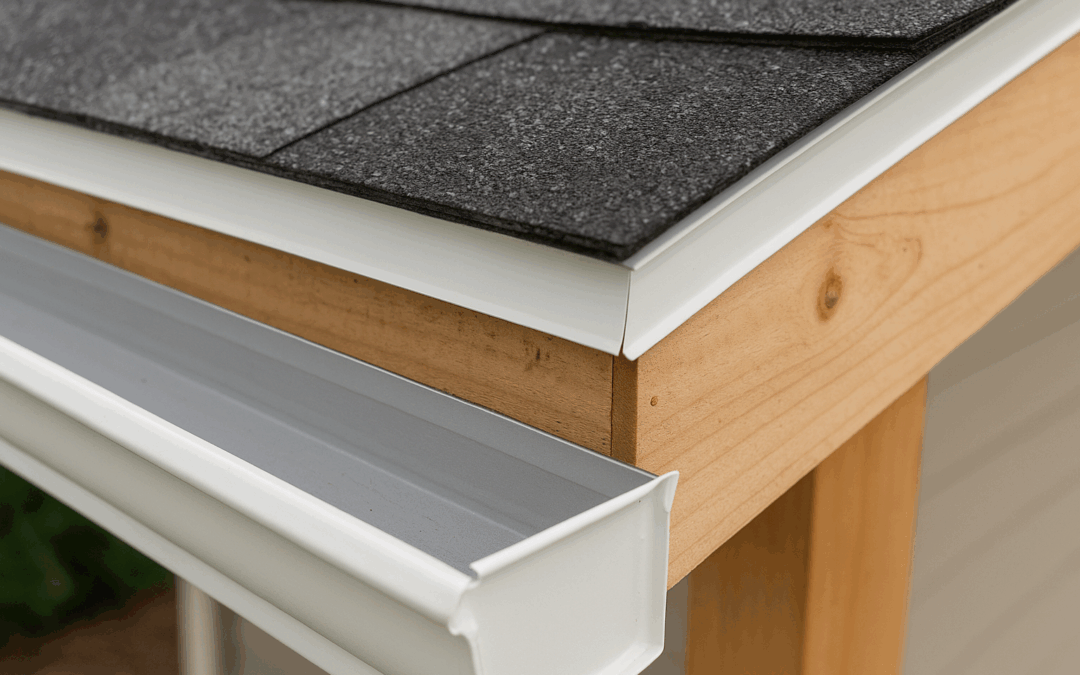
A gutter drip edge is a thin strip of metal flashing that is installed along the edge of a roof. Its primary role is to guide water away from the roof decking and fascia and into the gutter system. It creates a clean, controlled path for water runoff, ensuring that moisture does not seep under shingles or behind the gutters—both of which can cause significant structural damage over time.
Drip edges are typically installed during roof construction or replacement, but they can also be added during upgrades or repairs.
Why Gutter Drip Edges Matter in Tennessee
Both Nashville and Knoxville experience heavy rain, seasonal storms, and high humidity levels. Without a drip edge, water may:
- Travel behind the gutter and rot the fascia board
- Leak into the attic or wall cavities
- Pool near the foundation, leading to soil erosion or basement leaks
- Deteriorate shingle edges, shortening the lifespan of the roof
Because of these conditions, homes in Tennessee benefit significantly from having a properly installed and maintained drip edge as part of their overall roofing and gutter system.
Key Benefits of a Gutter Drip Edge
- Protects Fascia and Roof Decking
By keeping water directed into the gutters, the drip edge prevents wood rot and mold growth along the roof’s edge and fascia boards. - Improves Rainwater Flow
It ensures that water exits the roof cleanly and is funneled directly into the gutters, reducing splashback and gutter overflow. - Defends Against Wind-Driven Rain
In areas like Nashville and Knoxville, where high winds accompany many storms, a drip edge can act as a barrier that helps keep rain from being blown up under shingles. - Helps Prevent Ice Dams (in colder months)
Though less common in Tennessee, occasional snow and ice events can still occur. A drip edge adds an extra layer of protection against ice dam formation near the roof edge.
Common Materials Used for Drip Edges
Drip edges come in a few different materials, each offering different levels of durability and visual appeal:
- Aluminum: Lightweight and rust-resistant, aluminum drip edges are commonly used for their affordability and ease of installation.
- Galvanized Steel: Stronger and heavier than aluminum, this option is more durable but should be properly coated to prevent rust.
- Copper: Known for its premium look and long life span, copper is often used on historic or high-end homes but comes with a higher price tag.
For Tennessee homes, aluminum and galvanized steel are among the most popular choices due to their balance of durability and cost.
Gutter Drip Edge Profiles: Type C and Type D
When selecting a drip edge, homeowners and installers typically choose between Type C and Type D profiles:
- Type C (L-style): This design has a simple right-angle bend and is often used when gutters are mounted close to the roofline.
- Type D (T-style or D-metal): This version includes an additional flange that extends outward, offering better water redirection and protection for the fascia.
Because Tennessee experiences frequent rain and varying wind conditions, Type D is often recommended for its enhanced water-shedding properties.
Building Codes and Installation Standards
Drip edge installation is not just best practice—it’s often required by local building codes. According to the International Residential Code (IRC), drip edges must be installed at the eaves and rake edges of shingle roofs. These regulations are designed to ensure homes have a first line of defense against water intrusion.
Homeowners in Nashville and Knoxville should also be aware that roofing and gutter components, including drip edges, must be installed in compliance with Tennessee building code regulations. These codes are updated periodically, so it’s essential to ensure any work aligns with current standards.
Signs of Drip Edge Issues or Absence
Not sure if your home has a drip edge or if it’s working properly? Here are some signs that could indicate a missing or malfunctioning drip edge:
- Water stains on soffits or fascia boards
- Visible water leaking behind gutters
- Mold or mildew around the roof edge
- Shingles curling or lifting near the edge
- Gutter detachment or sagging
A visual inspection can sometimes reveal whether a drip edge is present, but in many cases, professional evaluation may be necessary for a full assessment.
Drip Edge Maintenance Tips
Although drip edges require little maintenance compared to other parts of the roofing system, a few routine checks can extend their lifespan:
- Inspect Annually: Check for signs of rust, warping, or detachment.
- Clear Out Gutters: Clogged gutters can cause water to back up under the drip edge.
- Monitor for Paint Flaking: If your drip edge is painted, keep an eye on peeling or bubbling that may expose it to corrosion.
- Check After Storms: Wind and falling debris may cause damage or displacement.
The Role of Drip Edges in Water Management Systems
Drip edges work best when part of an integrated system that includes well-graded gutters, properly pitched downspouts, and sufficient roof overhang. Together, these components prevent:
- Foundation saturation
- Interior water leaks
- Soil erosion and landscaping damage
- Pest infestation in damp wood
As many homeowners in Nashville and Knoxville are aware, water problems can quickly turn into major structural issues. Proper drainage at the roofline helps stop these issues before they start.
Conclusion
A gutter drip edge may be small in size, but its impact on protecting your home is substantial—especially in areas with frequent rain and changing seasonal conditions like Nashville and Knoxville, TN. From preventing water damage to improving overall gutter performance, the drip edge plays a vital role in the long-term health of your roofing system.
Big Orange Gutters of Nashville and Knoxville, TN, provides this information to help local homeowners understand the importance of every component in their gutter and roofing systems. Being informed about how a drip edge works—and the benefits it brings—can empower you to make better maintenance and upgrade decisions for your home.