
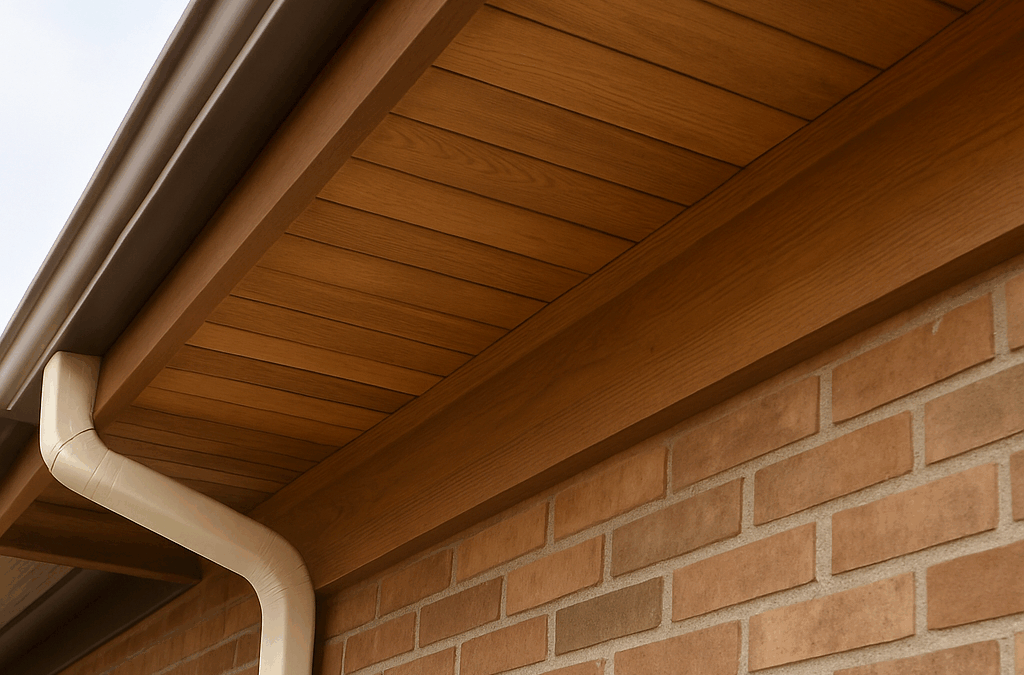
In the diverse neighborhoods of Nashville and Knoxville, where architectural styles range from historic craftsman homes to modern builds, certain structural features play a vital role in both function and aesthetics. One such feature is the wood soffit—a component that many homeowners might overlook, but one that serves a key purpose in your home’s overall protection and airflow. This blog post offers a comprehensive, informational guide to wood soffits tailored specifically for Tennessee homeowners. It is presented by Tiger Gutters, proudly serving the Nashville and Knoxville areas.
What Is a Wood Soffit?
A soffit is the exposed surface beneath the overhanging section of a roof eave. It’s the material that bridges the gap between a home’s siding and the roofline. When this area is built using wood, it is referred to as a wood soffit. This traditional building element is often found in older homes or in properties designed with natural materials and warm aesthetics in mind.
The soffit is not merely cosmetic—it plays a crucial role in protecting the structure of your home while allowing proper airflow into the attic space.
Functions of a Soffit
Whether constructed from wood or another material, soffits serve multiple purposes:
- Ventilation: Vented soffits help regulate airflow into the attic, reducing heat and moisture buildup.
- Moisture Management: Proper ventilation through soffits helps minimize the risk of mold, mildew, and rot inside attic spaces.
- Protection from Pests: Soffits seal the underside of roof overhangs, helping keep insects, rodents, and birds out of your home’s eaves.
- Aesthetic Finishing: Soffits offer a clean transition from roofline to siding, contributing to the home’s curb appeal.
Why Wood Soffits Are Common in Tennessee Homes
In cities like Nashville and Knoxville—where homes often showcase rustic charm, southern elegance, or mid-century design—wood soffits remain a popular choice. Here’s why:
1. Natural Look and Warmth
Wood delivers a rich, organic look that complements brick, stone, and siding. It blends seamlessly with traditional and farmhouse-style architecture that’s prevalent across both urban and rural Tennessee areas.
2. Customization Options
Wood can be easily painted or stained to match or contrast with trim, fascia, or shutters. Homeowners who prefer a personalized aesthetic often favor wood for its adaptability.
3. Repair-Friendly Material
Wood soffits allow for selective repairs. If one board is damaged by moisture or insects, it can often be replaced without needing to remove large sections.
Common Wood Types Used for Soffits
When selecting a material for wood soffits, the type of wood matters in terms of appearance, longevity, and cost. Here are some typical choices:
- Cedar – Naturally resistant to insects and decay, cedar is a durable and attractive option.
- Pine – More affordable and easy to paint, though it requires more frequent maintenance.
- Douglas Fir – Commonly used for its strength and stability.
- Plywood – Often used for soffit panels due to its uniform surface and lower price point.
Considerations and Challenges with Wood Soffits
While wood offers many benefits, it also requires a greater level of upkeep—especially in Tennessee’s varied climate. Below are some potential challenges:
1. Humidity and Rain
The humid summers and seasonal rainfall in both Nashville and Knoxville can lead to wood rot or warping if soffits are not properly sealed and maintained.
2. Insect Infestation
Wood is vulnerable to termites and carpenter ants. Without routine inspection and treatment, infestations can compromise the integrity of the soffit.
3. Ongoing Maintenance
Wood soffits must be painted or stained regularly to protect them from UV exposure and moisture. Homeowners should also check for cracks, peeling paint, or signs of mildew.
Maintenance Tips for Wood Soffits
Protecting your wood soffits from Tennessee’s seasonal extremes involves some regular upkeep. Here are a few maintenance tips to keep them in good condition:
- Inspect Annually: Check for discoloration, cracking, mold, and pests.
- Paint or Stain Every Few Years: Use high-quality exterior-grade products that offer UV and moisture protection.
- Keep Gutters Clean: Overflowing gutters can lead to water damage on soffits and fascia boards.
- Check for Proper Ventilation: Ensure that soffit vents are not blocked, which could impact attic airflow.
By proactively maintaining your wood soffits, you can help prolong their lifespan and maintain your home’s exterior charm.
The Relationship Between Soffits, Fascia, and Gutters
The soffit is one part of a trio that includes the fascia (the vertical board at the end of the roof rafters) and the gutter system. Together, these components protect your roof and home’s structural edge from water damage and other environmental elements.
- A compromised soffit can lead to roofline issues and contribute to rot that affects fascia boards and gutter attachment.
- Properly maintained soffits help keep the attic dry and prevent the kind of moisture buildup that leads to mold growth or rafter deterioration.
In Tennessee’s fluctuating weather—ranging from hot, humid summers to freezing winter rain—a reliable roofline system is especially important.
Soffits and Home Ventilation in Tennessee
Attic ventilation may not be top of mind for most homeowners, but it plays a key role in energy efficiency and structural health. Vented wood soffits help:
- Reduce heat buildup in summer, keeping cooling costs in check
- Minimize condensation in winter, which can lead to mold
- Prolong the life of roof shingles by lowering attic temperatures
In Nashville and Knoxville, where temperatures can fluctuate significantly, properly ventilated soffits help create a more stable interior environment.
Alternatives to Wood Soffit
If you’re considering future updates, it’s helpful to know about alternative soffit materials:
- Vinyl: Lightweight and low-maintenance, but may not offer the authentic look of wood.
- Aluminum: Durable and insect-resistant, ideal for areas with severe weather.
- Fiber Cement: Engineered to mimic the look of wood while offering better resistance to moisture and insects.
Each material has pros and cons depending on your home’s design and the specific climate conditions of your neighborhood.
Regional Relevance: Historic Homes and Wood Soffits
Many of the charming, older homes throughout East Nashville, 12 South, and Knoxville’s Fourth and Gill Historic District were originally constructed with wood soffits. Preserving these soffits can be important not only for aesthetics but also for historical integrity. In some cases, homeowners may be required to use specific materials in keeping with local zoning codes or preservation guidelines.
Conclusion
Whether you live in the heart of Music City or near the foothills of the Smokies, understanding the function and care of wood soffits is essential for maintaining your home’s beauty and performance. These underappreciated features provide ventilation, enhance curb appeal, and help safeguard the structure of your house.
By staying informed and vigilant about your soffit’s condition, you can help prevent costly repairs and preserve your home’s exterior charm. This blog post was created as an educational resource by Tiger Gutters, serving homeowners throughout Nashville and Knoxville, Tennessee with valuable insights into roofline and exterior systems.