Introduction
If you live in Nashville or Knoxville, Tennessee, you’ve likely experienced the region’s variable weather patterns—from heavy spring rains to occasional winter ice storms. In this environment, every component of your home’s water management system becomes critically important. One component that many homeowners overlook is the gutter drip edge, a simple yet essential trim piece that prevents water damage to your home’s structure. Big Orange Gutters serves both Nashville and Knoxville, and we understand that comprehensive gutter protection requires attention to every detail, including proper drip edge installation and maintenance.
Defining Gutter Drip Edge and Its Purpose
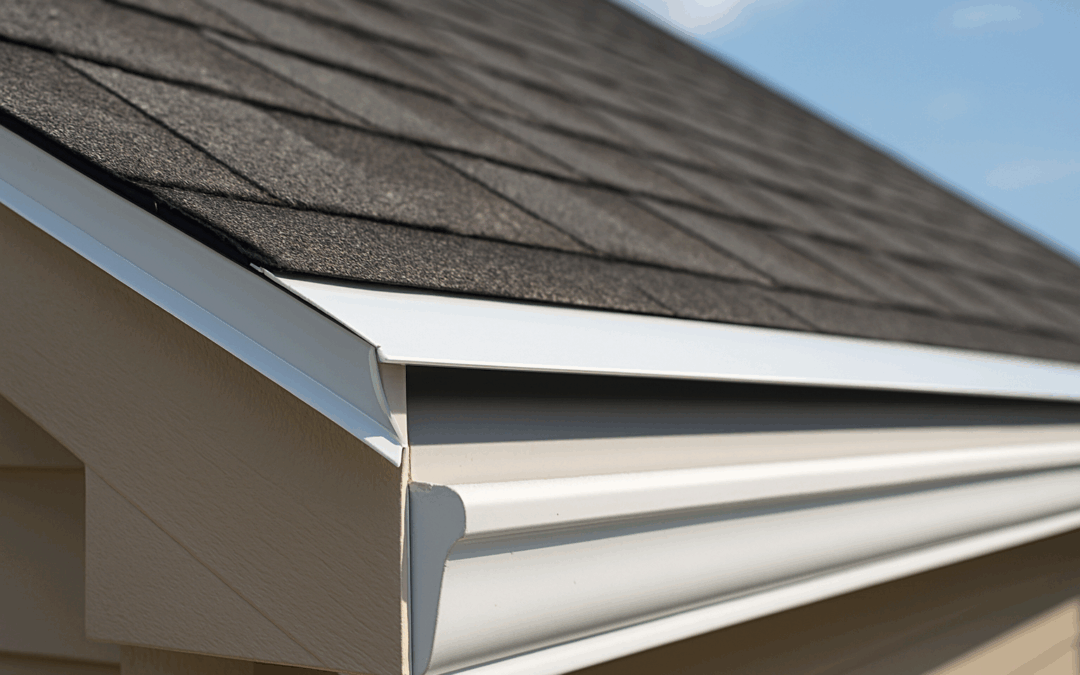
A gutter drip edge is a metal trim piece installed at the transition point between your roof and your gutter system. Shaped in an L-configuration or angled design, the drip edge extends from under the roofing material, over the fascia board, and into the gutter channel. This strategic positioning creates a pathway that guides water directly into your gutters rather than allowing it to flow down your fascia board or into the spaces behind your gutter system.
Most commonly made from aluminum, galvanized steel, or copper, drip edge is one of the most cost-effective components of your gutter system, yet it serves a disproportionately important protective function. Without proper drip edge installation, water that should be directed into your gutters instead cascades down your home’s exterior, leading to damage that far exceeds the cost of proper drip edge installation.
Why Tennessee Climate Makes Drip Edge Essential
Nashville and Knoxville experience a humid subtropical climate with distinctive seasonal variations. The region receives approximately 50 inches of annual precipitation, distributed throughout the year, with particularly heavy rainfall during spring months. Tennessee’s weather can also be unpredictable—spring thunderstorms can deliver intense rainfall in short periods, while winter weather occasionally brings ice storms that stress gutter systems and roofing components.
The Tennessee landscape itself presents challenges for water management. Many properties have mature trees that provide excellent shade but also contribute to gutter clogging with leaves and debris. Additionally, the region’s topography means that many homes are built on slopes, affecting water flow patterns and the stress placed on gutter systems during heavy rainfall.
For homeowners in Nashville and Knoxville, proper drip edge installation becomes essential to managing the region’s rainfall and protecting homes from water intrusion. The combination of consistent precipitation and occasional severe weather makes comprehensive gutter protection non-negotiable.
How Gutter Drip Edge Functions
Water Redirection
The primary function of drip edge is simple but critical: it redirects water that flows off your roof directly into your gutter channel. Without drip edge, water follows the underside of the roof decking and runs down the fascia board, bypassing the gutter entirely.
Fascia Board Protection
Your fascia board is a vertical trim piece that provides both structural and aesthetic functions. Constant exposure to water running down from your roof causes the fascia to absorb moisture, leading to wood rot, paint failure, and eventual structural compromise. Drip edge keeps fascia boards dry by intercepting water before it reaches them.
Soffit Protection
The soffit—the horizontal trim beneath your eaves—is particularly vulnerable to water damage because it’s positioned to catch water that runs down the fascia. When water reaches the soffit, it causes paint peeling, wood deterioration, and mold growth. Proper drip edge prevents this damage by stopping water at the source.
Attic and Wall Protection
When water bypasses gutters and fascia boards, it eventually reaches the space between your roof decking and exterior walls. This space, called the rim joist area, is particularly vulnerable to hidden water intrusion that can lead to mold growth, wood rot, and structural damage that may not be discovered until significant harm has occurred.
Foundation Protection
Improperly managed water at the roofline eventually reaches the ground around your foundation. When water pools around your foundation or is directed toward your foundation by improper drainage, it can lead to foundation cracks, settling, and serious structural problems. Proper drip edge, working in conjunction with gutters and downspouts, ensures water is carried away from your home’s foundation.
Common Problems Resulting from Inadequate Drip Edge
Fascia Rot and Structural Failure
Without drip edge protection, fascia boards absorb moisture from water running down the roof. Over months and years, this leads to wood rot that compromises the board’s structural integrity and requires expensive replacement.
Soffit Deterioration and Mold Growth
Water reaching the soffit causes paint to peel, wood to rot, and conditions conducive to mold growth. Mold in soffit areas can spread to attic spaces, creating health concerns for home occupants.
Attic Moisture and Mold
Water that gets behind the fascia board can seep into attic spaces, creating high humidity conditions that lead to mold growth on roof decking, insulation, and structural components.
Pest Infestations
Deteriorated fascia and soffit create openings that insects, rodents, and birds use to access your home. Once inside, pests can cause additional damage to insulation and electrical wiring.
Foundation Damage
Water that isn’t properly managed at the roofline eventually reaches your foundation, where it can cause cracks, settling, and expensive structural repairs.
Gutter System Failure
When water isn’t properly directed into gutters, it can cause water to pool behind gutters, leading to accelerated deterioration of the gutter system itself.
Types of Drip Edge Materials Available
Aluminum Drip Edge
Aluminum is the most popular choice for residential drip edge. It’s lightweight, affordable, corrosion-resistant, and can be painted to match your home’s color scheme. Quality aluminum drip edge typically lasts 20-30 years, making it an excellent value for most homeowners.
Galvanized Steel Drip Edge
Galvanized steel offers superior strength compared to aluminum and is an excellent choice for areas prone to severe weather. While slightly more expensive than aluminum, galvanized steel drip edge resists rust and provides enhanced durability for homes in exposed locations.
Stainless Steel Drip Edge
Stainless steel represents a premium option offering exceptional corrosion resistance and longevity. While more expensive than galvanized steel, stainless steel drip edge is virtually rust-proof and can last 50+ years.
Copper Drip Edge
Copper represents the premium choice for drip edge installation. Extremely durable and beautiful, copper develops a distinctive patina over time and can last a century or more. Copper drip edge is ideal for high-end homes where aesthetics and longevity are priorities.
Identifying Drip Edge Problems
Visible Water Stains
Water stains on your fascia board or exterior walls below the gutter line indicate that water is running down the fascia instead of into the gutter, suggesting drip edge problems.
Paint Peeling from Fascia
When paint peels from your fascia board, it typically indicates moisture problems caused by water running down the board rather than being directed into the gutter.
Soft or Rotting Fascia
If you notice soft spots or obvious rot on your fascia board, water is reaching the wood, indicating inadequate drip edge protection.
Mold or Mildew on Soffit
Any visible mold or mildew on your soffit indicates moisture intrusion that proper drip edge should prevent.
Water Intrusion in Attic
If you notice moisture, water stains, or mold in your attic, inadequate roof edge management may be allowing water to seep behind your fascia.
Installation and Professional Considerations
Proper drip edge installation requires that the piece be positioned at the point where roof decking meets the fascia board, with the upper portion tucked under roofing material and the lower portion extending into the gutter channel. The drip edge must be securely fastened and properly sealed to prevent water from finding gaps or openings.
Professional installation ensures that drip edge is correctly positioned and that any transitions or connections are properly sealed. Quality installation is particularly important in areas with high wind exposure or severe weather, where improper installation can lead to wind uplift or water bypass.
Maintenance and Inspection Tips
While drip edge requires minimal maintenance, regular inspection is important. During spring and fall gutter maintenance, check for:
- Gaps or separation between drip edge and fascia
- Rust or corrosion on metal drip edge
- Paint failure or coating damage
- Debris accumulation that might block water flow
- Signs of water damage on adjacent materials
Conclusion
For homeowners in Nashville and Knoxville, proper gutter drip edge installation is an essential component of comprehensive home protection. By directing water from your roof into your gutter system, drip edge prevents damage to fascia boards, soffits, attic spaces, and foundations. Tennessee’s regular rainfall and occasional severe weather make proper water management critical, and drip edge plays an important role in that management. Big Orange Gutters understands that effective gutter protection requires attention to every detail, from gutter selection and installation to proper drip edge positioning. Understanding the importance of gutter drip edge helps Tennessee homeowners make informed decisions about protecting their homes from water damage.