
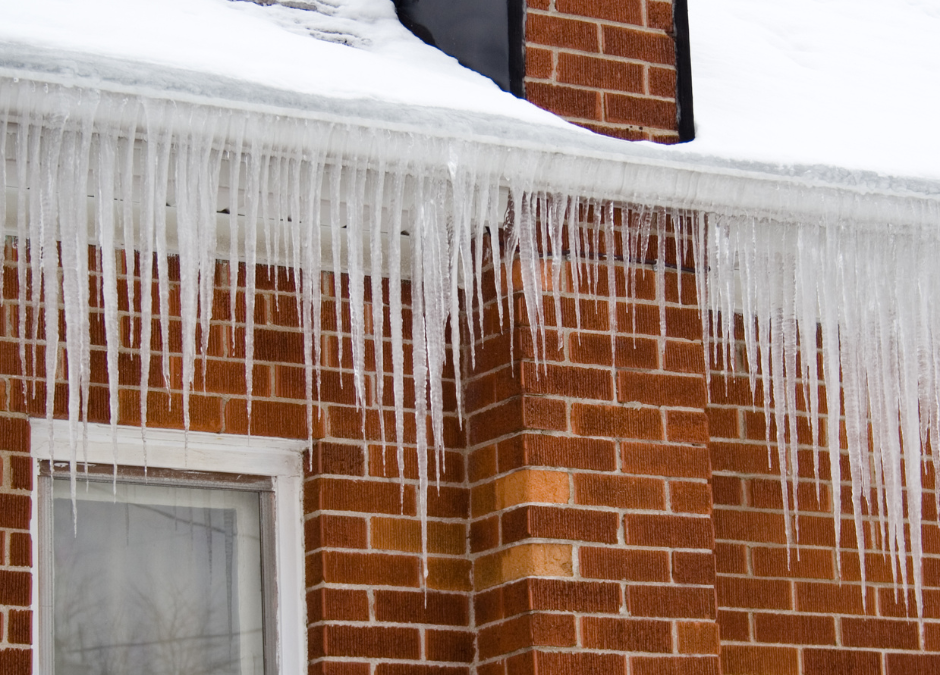
As winter approaches Middle Tennessee, homeowners in Nashville and Knoxville face unique challenges related to seasonal weather patterns, freeze-thaw cycles, and winter precipitation. Big Orange Gutters, serving both Nashville and Knoxville, TN, presents this detailed informational guide on winter gutter preparation—explaining what the process entails, why it is particularly important in these Tennessee cities, the benefits of proactive maintenance, and the risks associated with entering winter with unprepared drainage systems.
Defining winter gutter preparation
Winter gutter preparation encompasses the inspection, cleaning, repair, and optimization of roofline drainage systems before cold weather and winter storms create conditions that can damage gutters or compromise their function. The process typically involves removing all debris from channels and downspouts, verifying that components are securely attached and properly aligned, testing water flow and discharge points, and addressing any vulnerabilities that could worsen under winter stress. For homeowners in Nashville and Knoxville, where winter weather can range from mild periods to sudden ice storms and hard freezes, preparation is a critical preventative measure.
Regional climate factors that increase importance
Nashville and Knoxville share similar winter weather patterns characterized by temperature variability, periodic ice storms, and significant precipitation events. Both cities experience freeze-thaw cycles—periods where daytime temperatures rise above freezing but nighttime lows drop well below thirty-two degrees. These cycles are particularly damaging to gutter systems that contain standing water or debris; as water freezes and expands, it can deform gutter channels, separate seams, and stress mounting hardware.
Ice storms are another regional concern. When freezing rain coats roof surfaces and gutters with ice, the additional weight can strain hangers and fascia attachments. If gutters are already weakened by corrosion, impact damage, or improper slope, the added load from ice can cause complete failure. Additionally, ice-filled gutters cannot drain, meaning subsequent rainfall or snowmelt has nowhere to go except over the gutter edge—often directly onto walkways, foundations, or into wall cavities.
Both cities also experience winter rainfall that can equal or exceed autumn totals. Gutters clogged with leaves or compromised by damage will overflow during these events, directing large volumes of water toward foundations at a time when soils are already saturated and less able to absorb additional moisture. This increases the risk of basement seepage, crawlspace flooding, and foundation settlement.
The benefits of thorough winter preparation
Preparing gutters for winter delivers multiple protective benefits. First and foremost, it ensures that drainage capacity is maintained throughout the season. Clean, properly functioning gutters move water away from roofs and foundations even during heavy winter storms, reducing the risk of interior water intrusion and exterior damage.
Second, winter preparation helps prevent ice-related damage to the gutter system itself. By removing debris and standing water, homeowners eliminate the primary materials that freeze and expand, reducing stress on gutter materials and attachments. Gutters that enter winter in good condition—free of clogs, with secure hangers and sealed seams—are far more likely to survive freeze-thaw cycles without damage.
Third, proactive preparation reduces safety hazards. Ice buildup along roof edges and gutters can create falling ice dangers near entryways and parking areas. Overflow from clogged gutters can freeze on sidewalks, steps, and driveways, creating serious slip-and-fall risks. Addressing these vulnerabilities before winter weather arrives makes properties safer for residents and visitors.
Additionally, winter-ready gutters contribute to the longevity of roofing and siding materials. When gutters fail to manage water properly, overflow can saturate soffit and fascia boards, run behind siding, or back up under shingles—all of which can cause hidden damage that may not become apparent until spring. By maintaining proper drainage through winter, homeowners protect these adjacent systems from moisture-related deterioration.
Risks and consequences of inadequate preparation
Homeowners who neglect winter gutter preparation expose their properties to a range of avoidable problems. Gutters filled with wet leaves and debris are prone to freezing solid during cold snaps. The resulting ice mass is heavy—often many times the weight of the debris alone—and can pull gutters away from fascia boards, bend mounting brackets, or cause seams to separate.
Downspouts are particularly vulnerable. When ice forms inside a downspout, it creates a complete blockage that prevents any water from draining. Subsequent rain or snowmelt is forced to overflow the gutter, typically at the point closest to the blockage. This overflow often occurs in the worst possible locations—near basement windows, foundation joints, or wall penetrations where water can infiltrate the structure.
Freeze-thaw cycles magnify any existing weaknesses in gutter systems. A small leak at a seam may seem minor in autumn, but when water collects and freezes at that point repeatedly through winter, the gap can widen significantly, turning a simple seal repair into a section replacement. Similarly, a slightly loose hanger may hold adequately under normal conditions but fail completely when subjected to the weight of ice.
The combination of clogged gutters and winter precipitation creates foundation risks that can affect structural integrity. Water that overflows near foundations saturates soil; when this saturated soil freezes, it expands and can exert lateral pressure against foundation walls. In severe cases, this freeze-related expansion can cause foundation cracks or movement. For homes with basements, the hydrostatic pressure from saturated soils increases the likelihood of seepage through walls or floor joints.
Key elements of effective winter preparation
Comprehensive winter gutter preparation addresses several critical areas. Debris removal is the foundation—every gutter section and downspout must be completely cleared of leaves, seed pods, twigs, and organic matter. In Nashville and Knoxville, oak and maple trees are common, and their leaves and seed structures can pack tightly in gutters, creating stubborn blockages that require thorough attention.
Component inspection follows cleaning. This includes checking every hanger and bracket for secure attachment, examining all seams and joints for separation or leaks, verifying that end caps are properly sealed, and ensuring downspout connections are tight. Particular attention should be paid to inside and outside corners, where stress concentrates and failures often begin.
Slope verification is another important element. Gutters should maintain consistent pitch toward downspouts so water drains completely rather than pooling. Sections with improper slope—whether from settling, hanger failure, or original installation errors—should be adjusted before winter to eliminate standing water that will freeze.
Downspout testing confirms that each vertical run carries water all the way to the discharge point without obstruction or backup. Extensions and splash blocks should be positioned to move water at least four to six feet from foundations, and their placement should be verified to ensure they haven’t shifted or become buried under mulch or soil.
For homes with gutter guards or leaf protection systems, winter prep includes removing accumulated fine debris from guard surfaces, confirming that guards remain properly attached and aligned, and checking that water can enter the gutter during heavy flow conditions. Some guard styles can become clogged with small seed particles or shingle grit, reducing their effectiveness.
Preventive enhancements for winter performance
Beyond basic preparation, several upgrades can improve winter gutter performance. Heat cable systems designed for gutters and roof edges can prevent ice formation in vulnerable areas such as north-facing slopes or valley sections prone to ice dam development. These systems must be installed following manufacturer guidelines and local electrical codes, and they work best when activated before ice forms rather than after problems develop.
Attic insulation and ventilation improvements reduce the uneven heating that contributes to ice dams. When warm interior air reaches the attic and heats the roof deck, it melts snow that then refreezes at the colder eaves. Proper insulation keeps heat in living spaces, while adequate ventilation maintains cold attic temperatures that prevent this melting-refreezing cycle.
For properties with chronic winter drainage problems, system upgrades may be appropriate. Larger gutter profiles—such as six-inch gutters instead of five-inch—can handle greater water volumes and are less prone to overflow during intense winter storms. Additional downspouts improve drainage by reducing the distance water must travel horizontally and by distributing discharge across more points around the foundation perimeter.
When to complete preparation and seek professional help
The ideal window for winter gutter preparation in Nashville and Knoxville is November, after most leaf drop has occurred but before the first sustained freeze. This timing allows work to proceed in moderate conditions and ensures systems are ready before winter weather patterns establish.
Professional assistance is advisable for homes with multiple stories, complex roof configurations, or situations requiring significant repairs. Professionals bring experience in identifying subtle problems, performing safe high-level work, and executing repairs with appropriate materials and techniques. Many also provide documentation of findings and recommendations that help homeowners plan future maintenance.
Conclusion
Winter gutter preparation is a season-specific maintenance priority that helps Nashville and Knoxville homeowners protect their properties from the challenges of Middle Tennessee winter weather. Big Orange Gutters, serving both Nashville and Knoxville, TN, encourages property owners to understand the local climate factors that make preparation important, recognize the benefits of proactive maintenance, and appreciate the risks associated with unprepared systems. By addressing debris, verifying component integrity, and optimizing drainage before winter arrives, homeowners can reduce the likelihood of costly damage and ensure their gutter systems perform effectively throughout the cold-weather months. This informational guide is provided to support informed decision-making and does not constitute specific service commitments.