
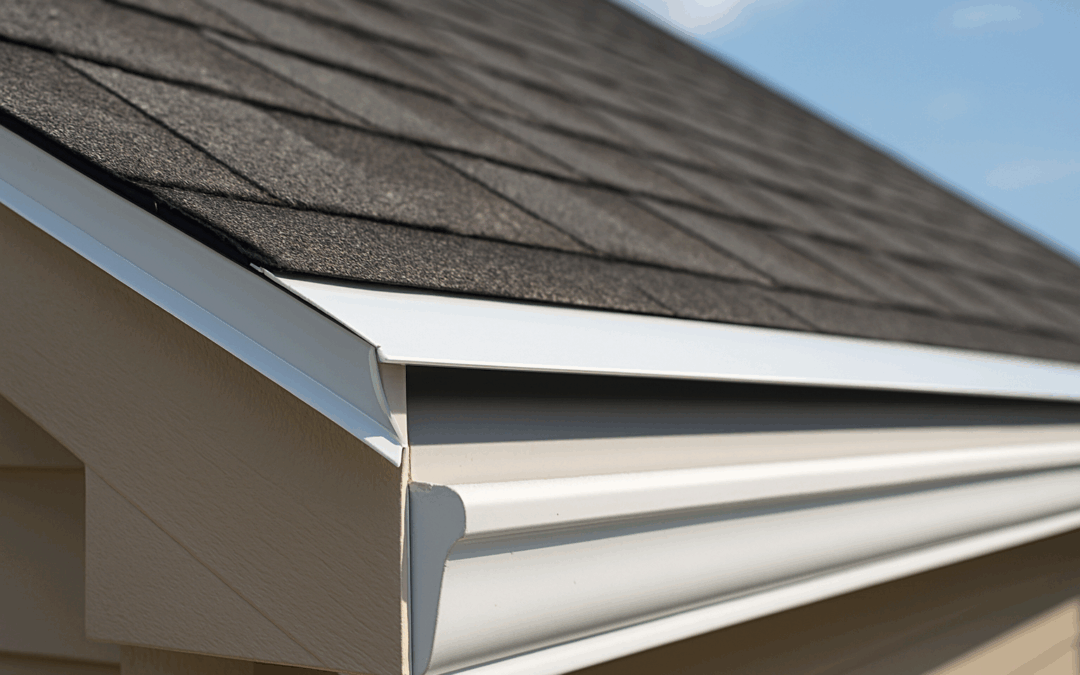
Throughout Nashville and Knoxville, Tennessee, many homeowners remain unaware of a small but essential component protecting their homes from water damage—the gutter drip edge. This metal flashing installed along roof edges serves critical functions preventing costly deterioration, yet its importance often goes unrecognized until serious problems develop. Big Orange Gutters frequently encounters Tennessee properties where absent, incorrectly installed, or damaged drip edge has contributed to fascia rot, roof decking damage, and water infiltration problems requiring expensive repairs. Understanding what drip edge is, how it protects homes, why Tennessee’s climate makes it particularly important, and why proper installation demands professional expertise helps homeowners make informed decisions about protecting their property investments from water-related damage.
What Gutter Drip Edge Is and How It Works
Gutter drip edge describes metal flashing installed along all roof edges, positioned beneath shingles and extending over fascia boards and gutters. This component, typically manufactured from aluminum, galvanized steel, or copper, features an L-shaped or T-shaped profile designed to direct water flow away from vulnerable roof areas and into gutters. The upper flange slides beneath shingles while the lower flange extends outward and downward, creating a defined edge controlling water movement.
The fundamental purpose of drip edge centers on protecting roof edges from water infiltration. As rain flows down roof surfaces, it naturally travels toward edges. Without drip edge, water can flow underneath the edges of shingles, soaking exposed roof decking, penetrating behind fascia boards, or dripping directly onto fascia causing deterioration. Drip edge intercepts this water flow, creating a physical barrier that redirects all water into gutters where proper drainage systems can handle it safely.
Beyond primary water management, drip edge provides multiple secondary benefits. It creates clean, finished roof edges that enhance home appearance with straight, professional lines. The rigid metal supports vulnerable shingle edges, preventing wind uplift and extending shingle lifespan. Drip edge seals potential entry points for insects, birds, and small animals that might otherwise access attic spaces through gaps between roof decking and fascia. In areas experiencing ice formation, drip edge helps prevent ice dam development that can force water underneath shingles.
Why Tennessee’s Climate Makes Drip Edge Essential
Nashville and Knoxville’s humid subtropical climate with substantial annual precipitation—Nashville receiving approximately 47 inches and Knoxville about 48 inches—creates conditions making drip edge particularly critical. Both cities experience frequent intense thunderstorms producing high-volume rainfall that severely tests roof water management systems. Without properly installed drip edge, these intense precipitation events drive water underneath shingles and behind fascia, causing rapid damage that worsens over time.
Tennessee’s elevated humidity levels between rainfall events prevent complete drying of any moisture penetrating roof edge areas. Wood components exposed to moisture in Tennessee’s humid climate rarely dry thoroughly before the next rain, maintaining persistent dampness ideal for wood-destroying fungi. This constant moisture exposure accelerates rot dramatically compared to drier regions where occasional moisture might dry before causing permanent damage. Properly functioning drip edge prevents moisture intrusion entirely, eliminating the problem at its source.
Summer temperatures in Tennessee accelerate deterioration of moisture-compromised materials. High heat promotes rapid fungal growth in damp wood while thermal expansion and contraction progressively worsen existing damage. Effective drip edge protection becomes crucial under these conditions, preventing the initial water infiltration that heat and humidity would quickly transform into serious structural problems.
Winter weather in Tennessee occasionally brings freezing temperatures and ice formation. Water trapped behind fascia or underneath shingle edges can freeze, expanding to cause cracks, splits, and progressive failure. Ice dams forming at unprotected roof edges allow meltwater to back up underneath shingles. Drip edge helps prevent ice-related damage by ensuring water drains completely before temperatures drop below freezing.
Professional Installation Requirements and Complexity
Though drip edge appears straightforward, proper installation requires professional knowledge and expertise. Correct installation sequence proves absolutely critical—building codes specify that drip edge along eave edges must be installed before underlayment, while drip edge along rake edges installs after underlayment. This specific sequencing ensures proper water-shedding characteristics and prevents moisture infiltration. Improper sequence creates vulnerabilities despite drip edge presence.
Appropriate fastening techniques demand professional understanding. Drip edge requires secure attachment to roof decking at specified intervals using correct fastener types placed properly. Insufficient fastening allows wind displacement while excessive or incorrectly placed fasteners create new water entry points. Professionals understand precise fastening requirements balancing secure attachment with weathertight performance.
Accurate positioning relative to gutters requires careful attention. Drip edge must extend adequately beyond fascia to direct water into gutters without excessive overhang that creates wind vulnerability. The lower edge should position just inside gutter outer edges, ensuring water falls into gutters rather than overshooting or dripping behind them. These positioning requirements demand experience with water flow dynamics and gutter systems.
Complex roof areas including corners, valleys, dormers, and transitions require advanced skills. Inside and outside corners need careful cutting, forming, and overlapping to maintain continuous protection without gaps. Professional installers possess necessary tools and expertise creating proper transitions maintaining protection throughout complicated roof geometries.
Identifying Missing or Defective Drip Edge
Tennessee homeowners can recognize potential drip edge problems through observable signs. Water staining on fascia boards, particularly near top edges where fascia meets roofing, indicates water flowing over or behind fascia rather than into gutters—clear evidence of missing or improperly positioned drip edge. Paint failure on fascia, especially along upper portions, reveals moisture exposure that drip edge should prevent.
Visible gaps between shingle edges and fascia when viewed from below suggest missing or displaced drip edge. Exposed roof decking edges visible from ground level indicate drip edge absence or failure. Deteriorating or rotting fascia often results from chronic water exposure caused by missing drip edge over extended periods.
From attic interiors, water staining on roof decking near perimeter edges, daylight visible through roof edge areas, or wood deterioration at roof borders all suggest drip edge deficiencies allowing water and light penetration. Evidence of pest infiltration near roof edges may indicate gaps that proper drip edge installation would seal.
Drip Edge Material Selection and Options
Aluminum drip edge represents the most common residential choice throughout Tennessee due to excellent corrosion resistance, light weight, reasonable cost, and availability in various colors. Aluminum won’t rust, making it ideal for Tennessee’s humid climate with constant moisture exposure. Factory-finished aluminum options eliminate painting needs while providing color coordination with home exteriors.
Galvanized steel drip edge offers superior strength and rigidity compared to aluminum, beneficial where enhanced structural performance is desired. However, galvanized coatings can eventually degrade in humid conditions, potentially leading to rust. Steel typically costs more than aluminum while providing limited practical advantages for most residential applications.
Copper drip edge delivers premium aesthetics and exceptional longevity, developing attractive patina over decades. Copper’s natural properties provide additional biological growth resistance. However, copper costs substantially more than aluminum or steel, making it practical primarily for high-end applications or when matching existing copper roofing or gutters.
Profile selection impacts function and appearance. Standard L-shaped profiles work effectively for most applications. T-shaped profiles with additional vertical flanges provide enhanced water direction and improved aesthetics. Wider profiles offer increased protection but require careful sizing to avoid gutter interference or wind issues.
Consequences of Inadequate Drip Edge Protection
Homes lacking proper drip edge face serious risks. Water flowing directly onto fascia causes progressive deterioration eventually requiring expensive replacement. Water penetrating behind fascia contacts roof decking ends, causing rot potentially extending into structural framing requiring major repairs. Moisture infiltrating underneath shingle edges accelerates shingle failure, reducing roof lifespan and potentially voiding warranties requiring proper drip edge.
Without drip edge preventing water contact with fascia, paint fails rapidly requiring frequent maintenance. This ongoing expense and effort exceeds one-time proper drip edge installation costs. Even non-wood fascia materials suffer staining and deterioration from constant water exposure.
Pest infiltration through unsealed gaps creates additional problems. Insects, birds, and small animals accessing attic spaces through roof edge openings cause damage and contamination requiring expensive remediation far exceeding drip edge costs.
Ice dam formation at unprotected edges causes meltwater backup underneath shingles, creating interior leaks during occasional Tennessee freezes. Resulting damage to ceilings, walls, and insulation requires expensive repairs and restoration.
When Drip Edge Replacement Is Necessary
Existing drip edge may need replacement when significant corrosion has created holes or severe thinning, when physical damage has bent or broken sections, or when improper original installation creates ongoing problems. Drip edge installed incorrectly—such as over rather than under shingles at eaves—requires correction for proper function.
Roof replacement projects provide ideal opportunities for drip edge replacement, allowing upgrades to higher quality materials, correction of original deficiencies, and proper integration with new roofing. Many manufacturers require proper drip edge for warranty validity, making replacement during re-roofing essential for coverage.
Homes with persistent fascia deterioration despite regular maintenance often benefit from drip edge evaluation and potential replacement, as this suggests existing protection is absent, improper, or inadequate.
Building Code Requirements in Tennessee
Modern building codes throughout Tennessee typically mandate drip edge installation along all roof eaves and rakes. These requirements recognize drip edge’s essential protective function and serious damage occurring without it. Homes built or re-roofed under current codes should have proper drip edge, though older homes may lack protection if constructed before code implementation.
Building inspectors verify drip edge during construction and re-roofing inspections. Proper installation meeting codes involves specific positioning, fastening, and integration requirements. Professional contractors understand these specifications and install drip edge correctly ensuring compliance.
Conclusion
Gutter drip edge serves as a critical protective component for Nashville and Knoxville, Tennessee homes, performing essential water management functions preventing expensive damage to roof edges, fascia, and underlying structures. Big Orange Gutters understands that Tennessee homeowners benefit from comprehending drip edge function and importance, particularly given the region’s substantial rainfall, elevated humidity, and climate conditions rapidly accelerating moisture-related deterioration. While appearing to be simple flashing, proper drip edge installation requires professional expertise ensuring correct positioning, secure attachment, proper integration with roofing materials, and building code compliance. The combination of Tennessee’s challenging humid subtropical climate and drip edge’s critical protective role makes this component essential for long-term home protection, with professional installation and periodic evaluation ensuring properties remain protected from progressive water damage that absent or defective drip edge allows.